We’ve never exactly appreciated the squirrels that live in our neighborhood, but this year they seem especially mean.

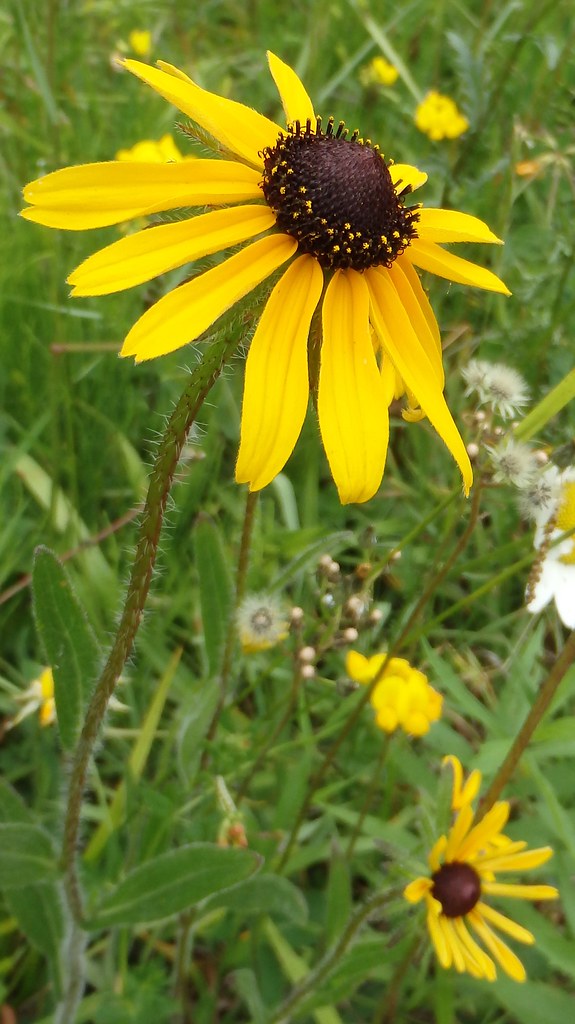
This sunflower already had its top bitten off, and the rest didn’t last long after this photo.

sunflower sprout

An entire evening primrose was pulled out of the ground, stem by stem.
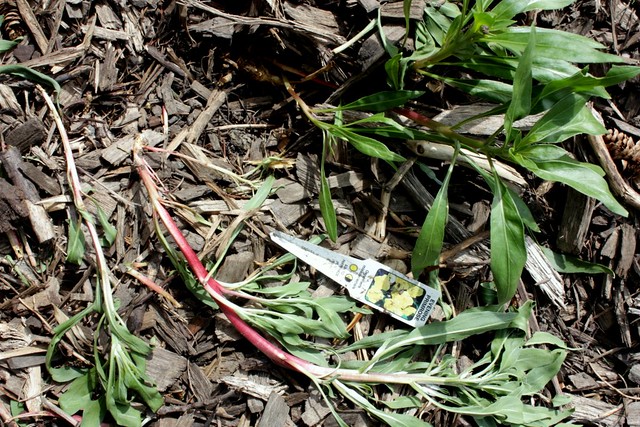
four evening primrose stems lying on the ground

This white coneflower, which bloomed this year for the first time, was snipped off near the ground.
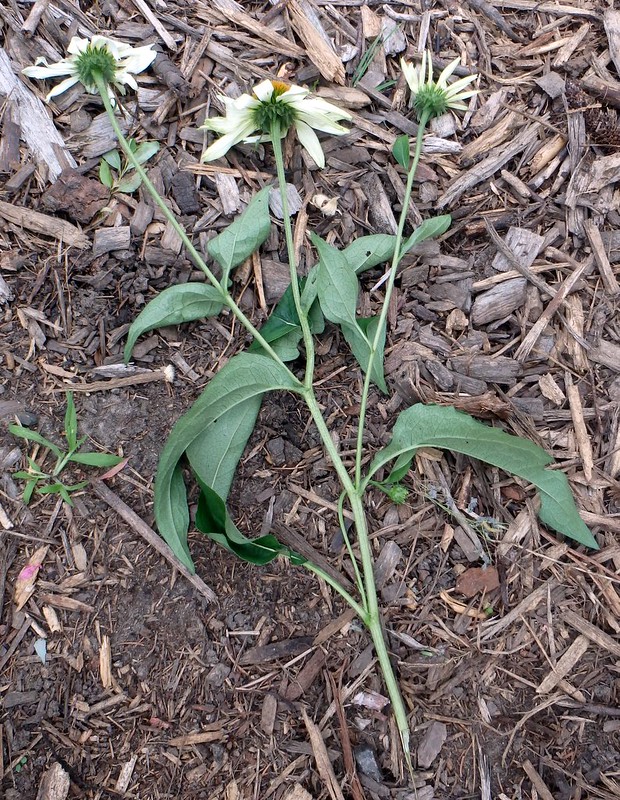
a wilting white coneflower with three blossoms lying on the ground

I was especially annoyed that the squirrels were damaging our flowers for no good reason: they weren’t even eating them. But then they turned to the vegetables, and I wasn’t any less upset even though the food was being eaten.

A chicken-wire fence, which stopped the rabbits, wasn’t enough to deter the squirrels from picking the tomatoes. So we had to add another fence to the top to the garden, which makes it a challenge for the humans to harvest the tomatoes and kale.

half of a green tomato, and a whole green tomato lying on the ground

Earlier this summer, when the squirrels were ripping up the squash and gourd flowers, we fenced them all in, which stopped the damage – but we eventually had to remove the fence because the vines were too constrained.

At one point, we had two acorn squashes. One disappeared completely, and the other ended up with a good chunk eaten off the top.
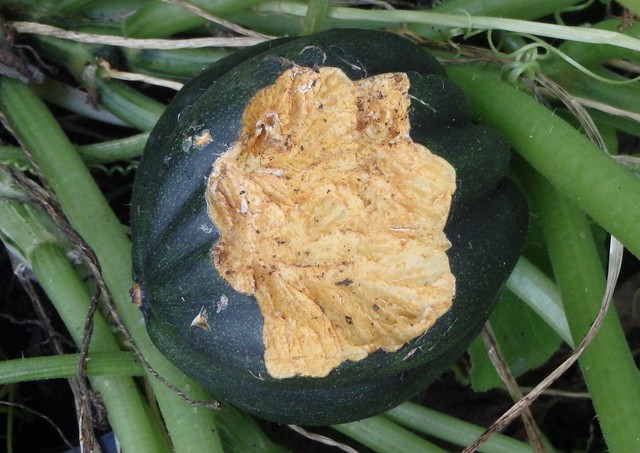
acorn squash with lots of little bite marks on the top

Same thing with this yellow squash. They also got two zucchini, but I don’t have the photo evidence because I was too busy rescuing the untouched zucchini to document it.

summer squash with a hole eaten out of the top, with chunks of the rind lying nearby

There were at least five gourds at one point, each distinctly different in appearance.
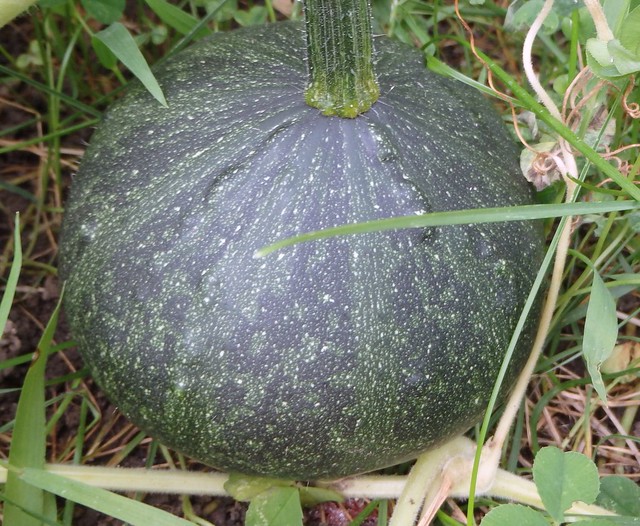
a small, round green gourd

Two disappeared, one is now just a fraction of a rind, and a few scattered “crumbs” were all that remained of the fourth.
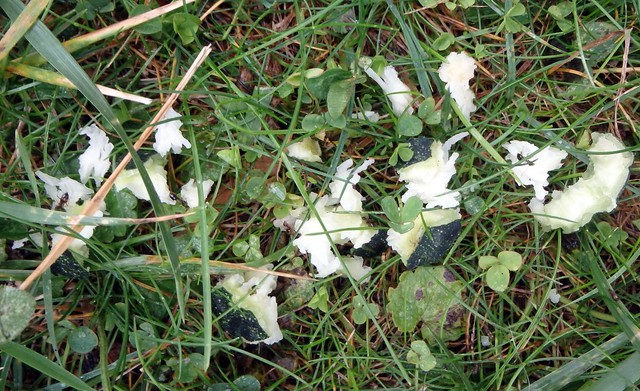
the remains of a green gourd

After this week’s gourd and squash damage, we re-fenced our one pumpkin and one remaining gourd. Without a top to the fence, though, I fear it’s just a matter of time before they’re gone too. At least we have tomatoes and kale!
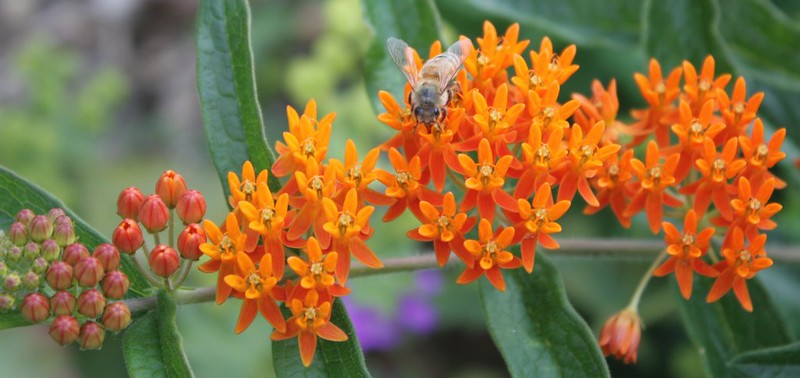
Butterfly weed’s bright orange blossoms are so striking, though in our garden this flower seems to be more enticing to bees than butterflies.

honeybee on butterfly weed

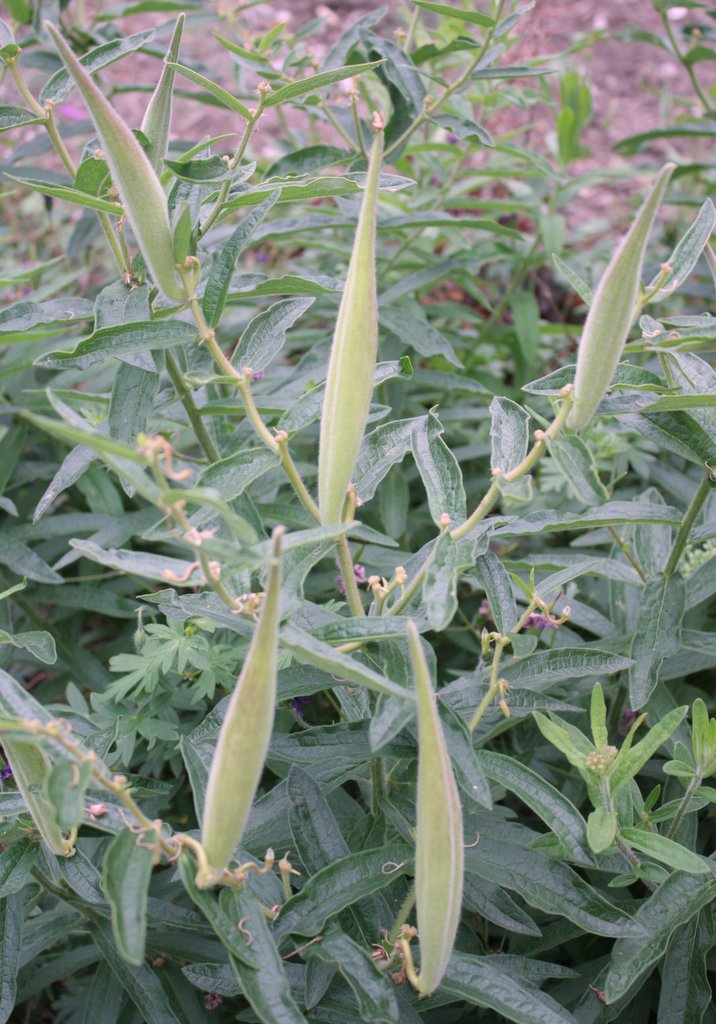
Every year it starts forming seed pods before I think it should. The orange has been replaced by 35 seed pods (and counting).

six butterfly weed seed pods

But we got a surprise this week: a few new buds opened up alongside the seed pods.

butterfly weed in bud and in seed

Summer isn’t quite over yet.

I got home from work yesterday evening soon after an apparently heavy downpour. I wondered where all of the bumblebees went during the rain, so I checked the usually busy giant hyssop. It took some searching, but I eventually found…

bumblebee clinging to the underside of a leaf
This bumblebee (and one other) clinging to the bottom of a leaf …


grasshopper clinging to the underside of a leaf
… a grasshopper doing the same …


wet bumblebee clinging to a flower
… and this unfortunate bumblebee that must not have been able to find shelter in time. He (she?) looked pretty exhausted from hanging on.

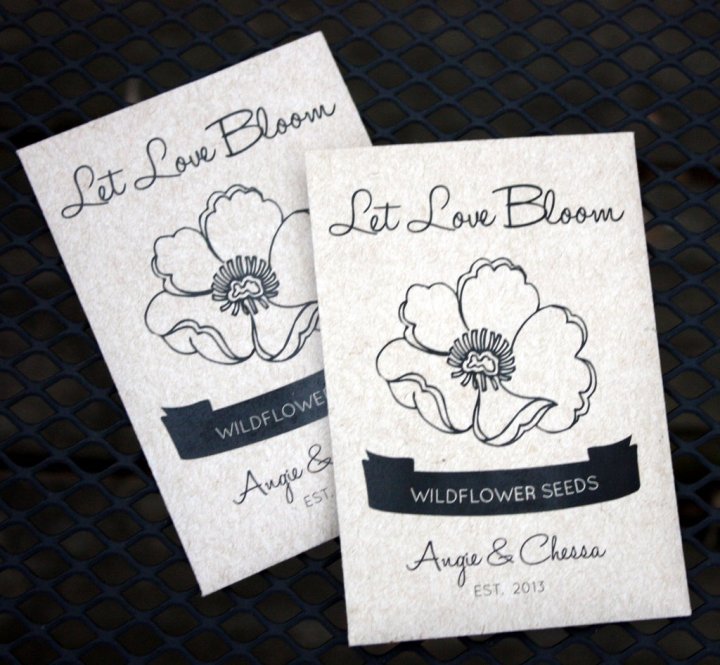
My cousin gave away packets of wildflower seeds at her wedding reception a year ago.

two wildflower seed packets

I waited patiently all fall and winter to plant them this spring. Just one packet held what seemed like hundreds of seeds − probably too many for this flower box, but I spread them all in the dirt anyway.

a lot of seeds on top of dirt

It didn’t take long for the first shoots to poke out of the ground.

tiny flowers

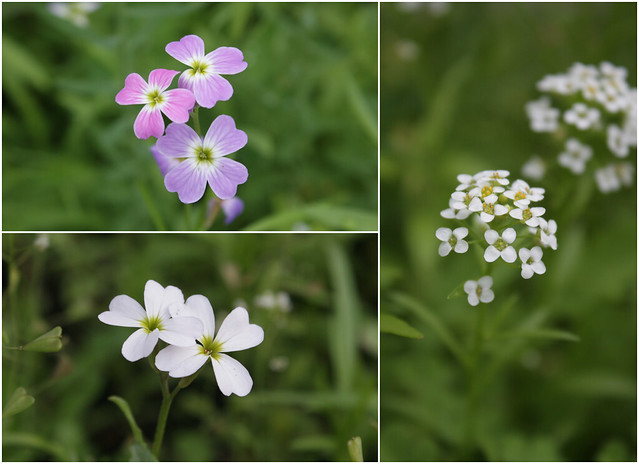
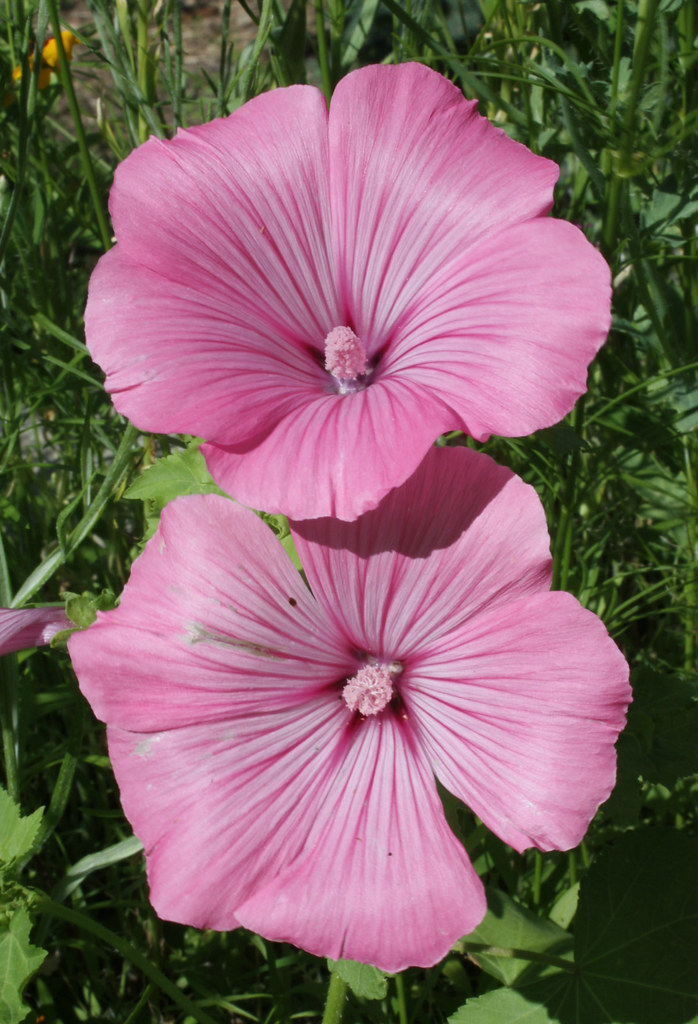
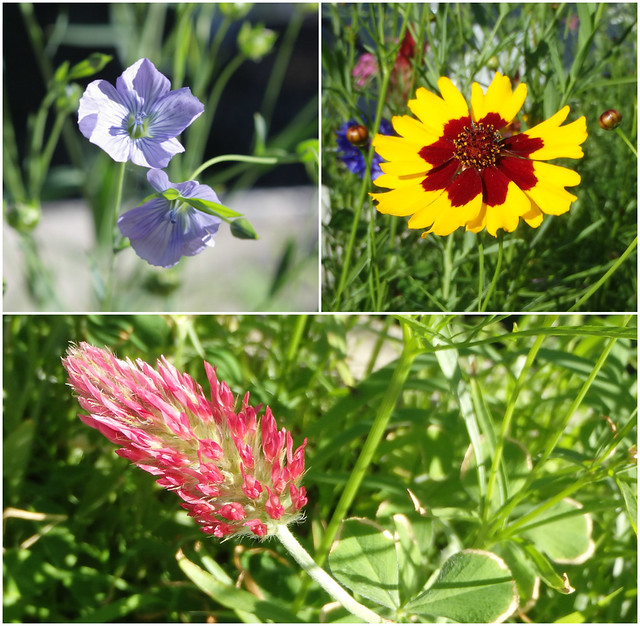
I don’t know the names of most of these flowers, but I’m really enjoying them.

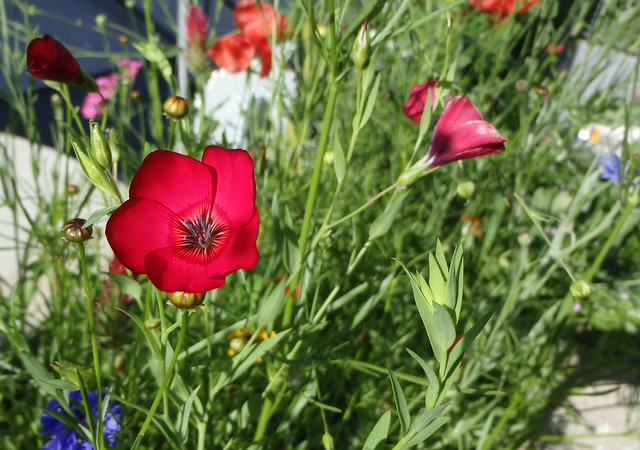
pink flowers

bright flowers

It’s been fun to see all the different varieties bloom and fade, only to be replaced by others.

blue bee

poppy

Just when I think there can’t be any more, two or three new ones emerge.

five flowers

dark pink flower

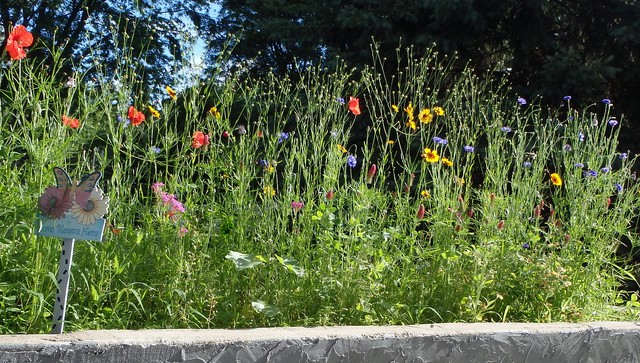
It’s interesting to note how certain flowers like the red poppies are mostly on the left side of the planter, while others like the blue flowers gravitated to the other end.

flower box

Love is blooming.

I spent three days and two nights camping with friends at Tettegouche State Park north of Duluth a week and a half ago.

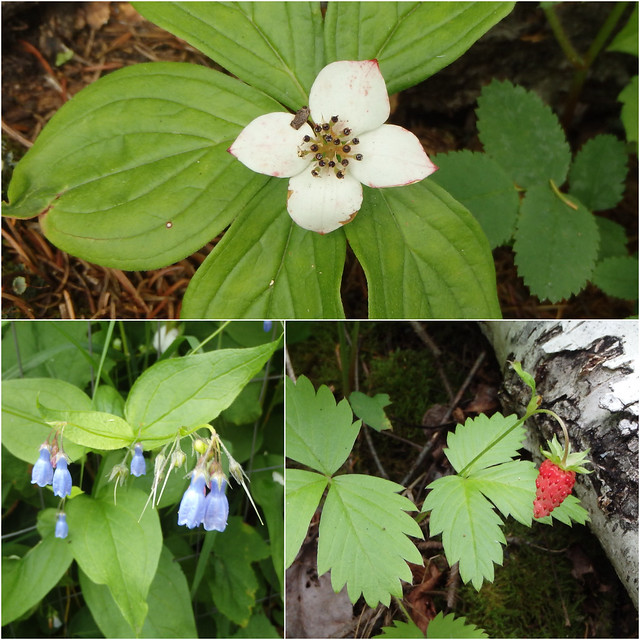
bunchberry, northern bluebells, wild strawberry
Bunchberry, northern bluebells, wild strawberry

We went on a long hike each day – one through the woods to High Falls, and one along Lake Superior to Shovel Point.

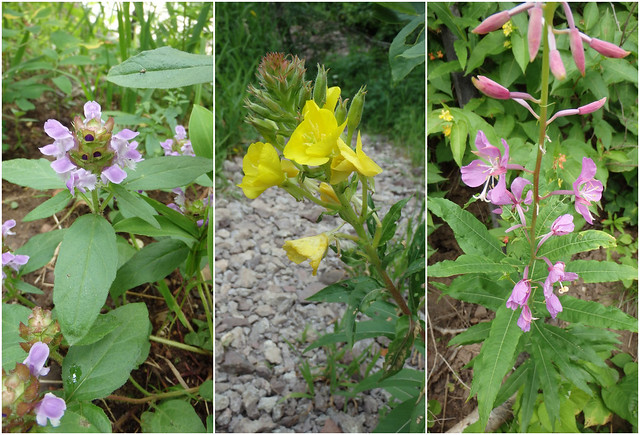
self-heal, evening primrose, fireweed
Self-heal, evening primrose, fireweed

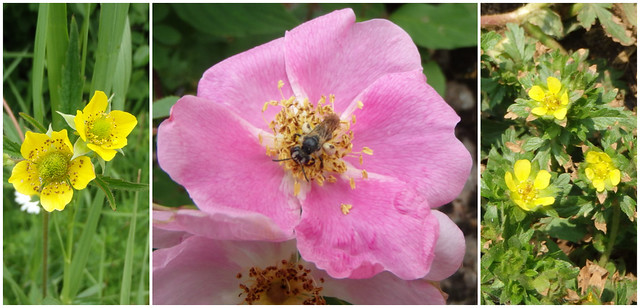
As is my habit, every hike turns into a wildflower hunt.

wild avens, wild rose, cinquefoil
Wild avens, wild rose, cinquefoil

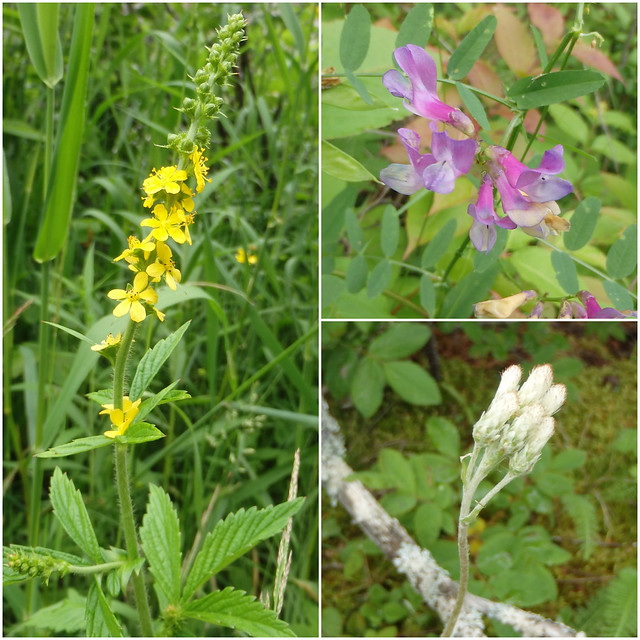
It felt like every other minute I was stopping to photograph yet another specimen.

tall agrimony, American vetch, pussytoes
Tall agrimony, American vetch, pussytoes

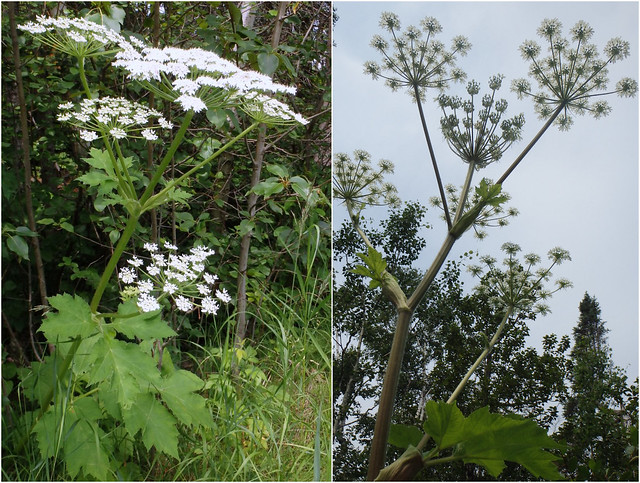
Most were at ground level, but some were at eye level.

cow parsnip
Cow parsnip − some of these were taller than me!


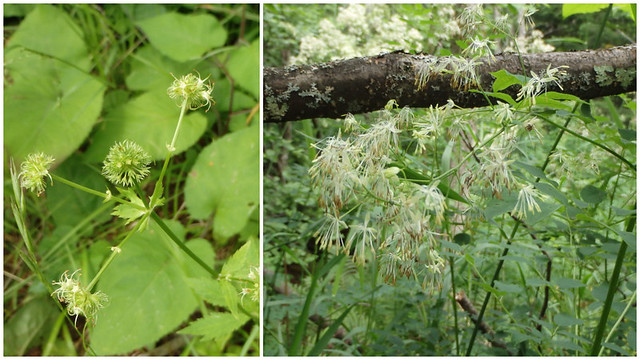
black snakeroot and meadow rue
Black snakeroot, meadow rue


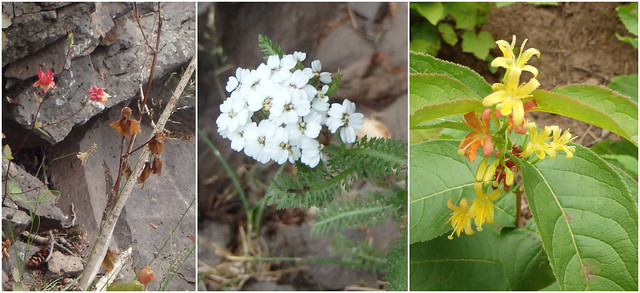
columbine, yarrow, bush honeysuckle
Wild columbine, yarrow, bush honeysuckle

The bush honeysuckle above is not a wildflower, but there were so many blooming that I had to include them. There were many other flowering shrubs, berries, and ferns that I’m not including.

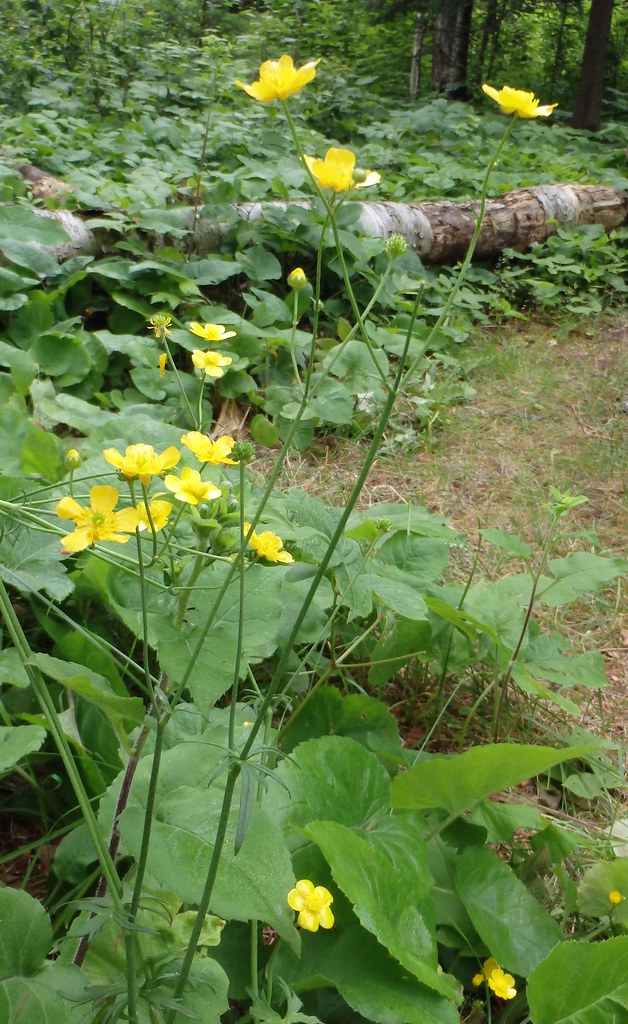
buttercup
I’m not sure whether this pretty buttercup is a native wildflower.

Many of the wildflowers we saw are natives, but of course there were also many non-natives…

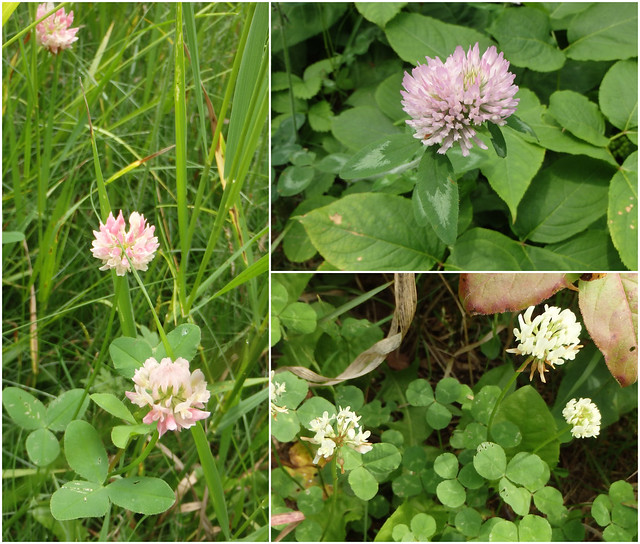
clovers
Alsike clover, red clover, white clover


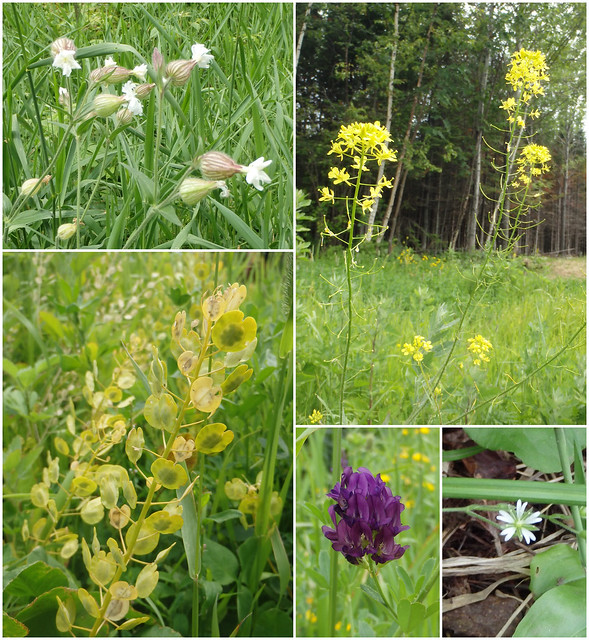
campion, field mustard, chickweed-alfalfa-pennycress
Clockwise from top left: campion, field mustard, chickweed, alfalfa, field pennycress seed pods

…including several on the Minnesota Wildflowers Invasive – ERADICATE! list.

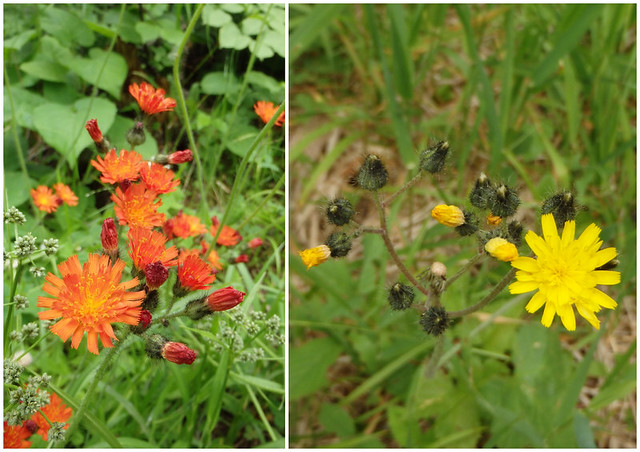
devil flowers: devil's paintbrush, Glaucous King-devil
These two invasives look so similar except for their color, and they have similar common names: devil’s paintbrush and Glaucous King-devil. (The yellow one may instead be meadow hawkweed; I can’t tell the difference. If so, I’d like to switch to the other common name for the orange one – orange hawkweed – so these two flowers still match.)


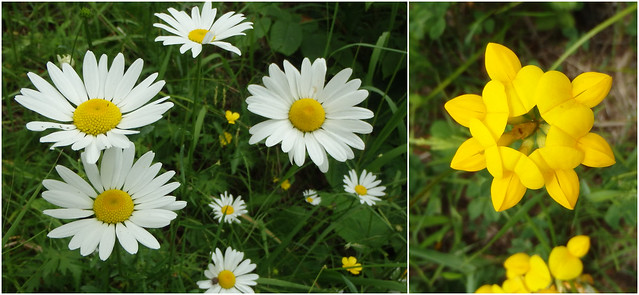
daisy and birds-foot trefoil
Pretty but invasive: daisy and birds-foot trefoil

Back to the natives! Fortunately for me, the park’s visitors center compiled a list of the flowers that were blooming, so I had a head start on identifying those I didn’t already know:

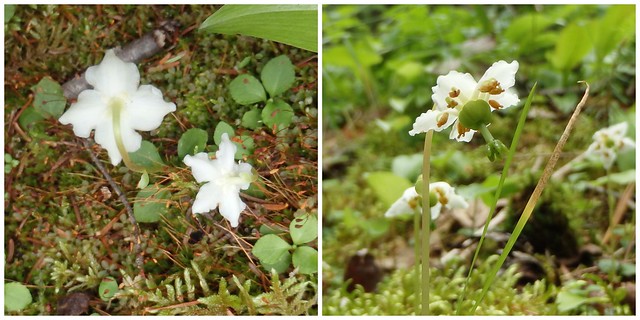
one-flowered pyrola
One-flowered pyrola points nearly straight down, so I had to nearly lie on the ground to see its face.


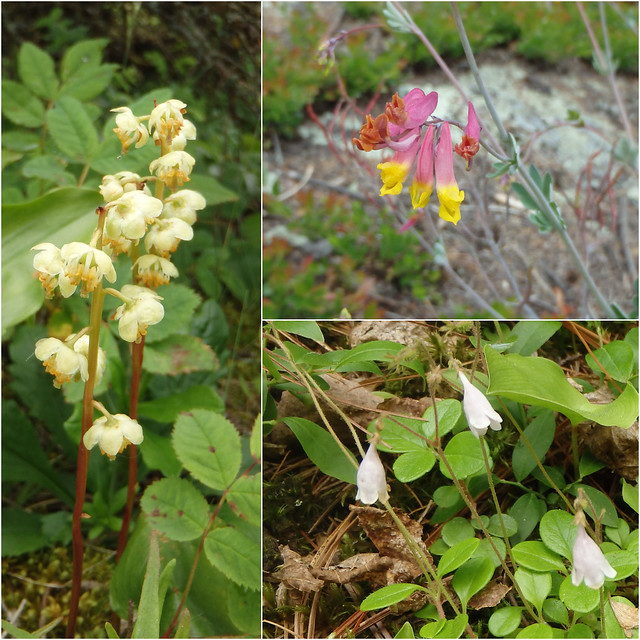
shinleaf, pink corydalis, twinflower
Shinleaf, pink corydalis, twinflower

A new Instagram friend saw spotted coralroot a week earlier, an orchid I was disappointed to miss! I settled for a few black-eyed susans that were starting to bloom.

black-eyed susan
Black-eyed susan (please ignore the invasives in the background)

Quite a fun weekend for discovering wildflowers.