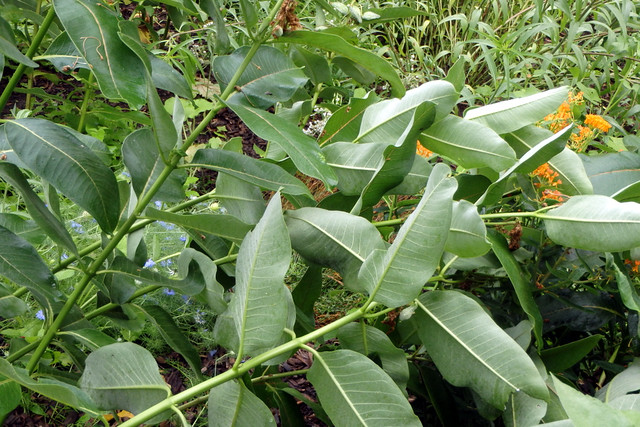
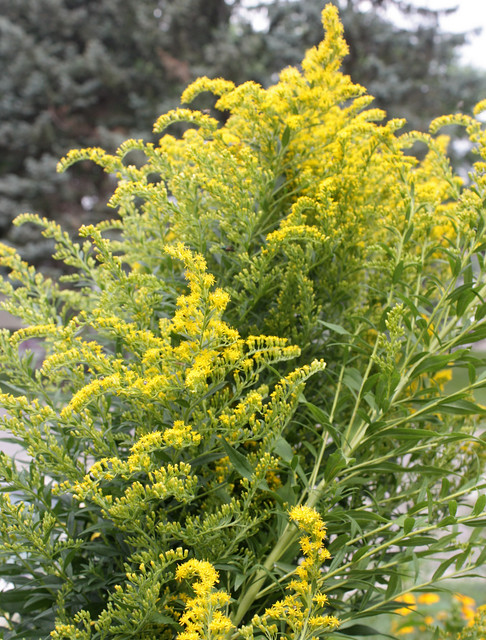
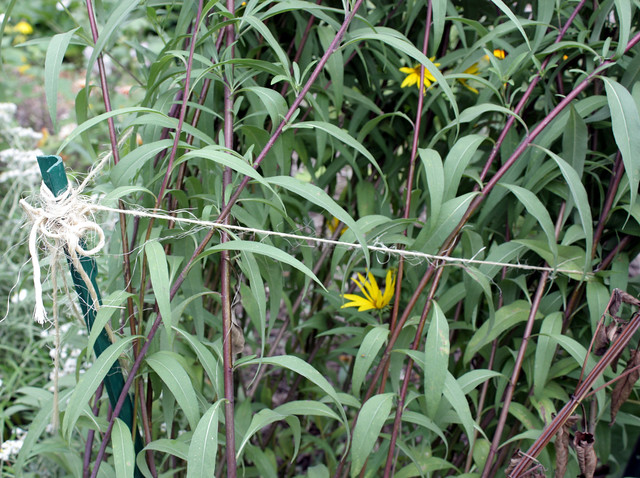
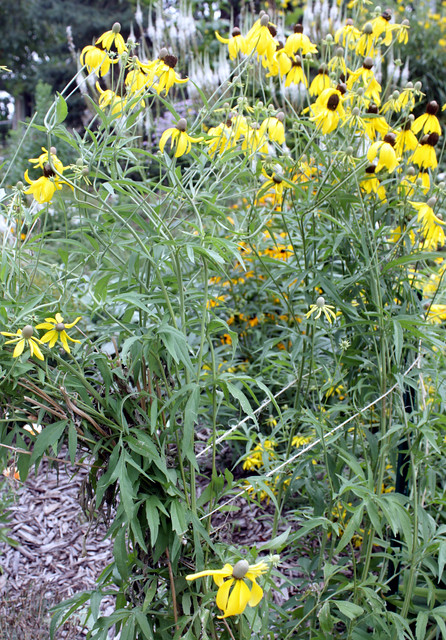
So many bees. Lots and lots of big and little bees have been visiting the garden this summer, and they’re getting busier and busier as August rolls along. It’s been fun to watch their antics.

I had a video of several types of bees all ready to go – even uploaded to YouTube – and then realized there are many other pollinators I could include. I have photos but not video of any wasps, like the great black wasps that have been spotted on several occasions. And the turtlehead is blooming now, enticing bumblebees to climb into its blossoms. Soldier beetles are all over the black-eyed susan. Several kinds of butterflies have visited the common milkweed. And how could I forget joe-pye weed, which attracts pretty much every insect in the yard? I need to get back into the garden and add more.

Of course, I could think of more flowers and insects to film until it snows, so I need to start somewhere. Here’s a short compilation of six flowers and their bees.

Someday I may be able to identify more than just bumblebees and honeybees. My guesses:

  • Honeybees on butterfly weed
  • Small bees (resin bees?) on culver’s root
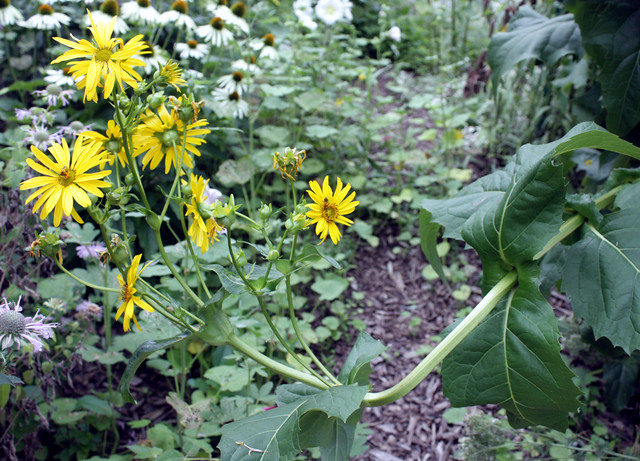
  • Bumblebee and other bees on cup plant
  • Bees (resin bees again?) on blue vervain
  • Tiny bees (sweat bees?) and soldier beetles on goldenrod
  • Bumblebees on bee balm
I’ve noticed the persistence of plants a lot this season – flowers growing in spite of their less-than-ideal location or after being damaged.

We’ve always had weeds growing in the the cracks in the driveway, but this year we’re getting flowers, too.

Purple coneflowers have done the best – several flowers that the bees have found, even though they’re three feet below the rest of the garden:

five purple coneflowers growing against a retaining wall

There are many areas with hollyhocks, though they aren’t flowering yet:

small hollyhock leaves growing through the retaining wall

I’m not surprised that feverfew is growing in the driveway – it spreads very easily:

feverfew flowers starting to bloom

Wind has been a force in our garden this year, with many plants blown over after one storm or another.

Milkweed gets tossed around a lot, and it always rebounds after about a day.

six milkweeds blown over

We’ve staked the taller plants, and they’re still growing even if their stems are not straight. These first three have been bunched tighter than normal due to the ties.

Goldenrod:

large clump of goldenrods

Tall sunflower:

closeup of a stake with twine enclosing sunflower stems

Yellow coneflowers:

twine holding up two bunches of yellow coneflowers

The cup plant is the best example of this. During a particularly bad thunderstorm we lost three stems, but the rest have been corralled – except one that slipped past the twine and is growing sideways:

cup plant stem growing sideways with flowers rising normally

We went strawberry-picking twice this summer. The first batch was eaten so fast, we had to go back for a second trip!

big sign of a painted strawberry with an arrow pointing left

We picked them at a u-pick farm in Rice Lake, Wisconsin.

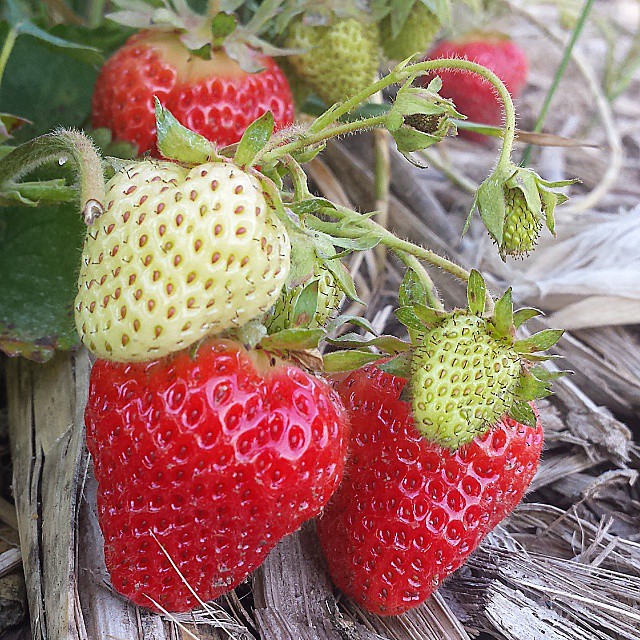
plant with unripe and mature berries

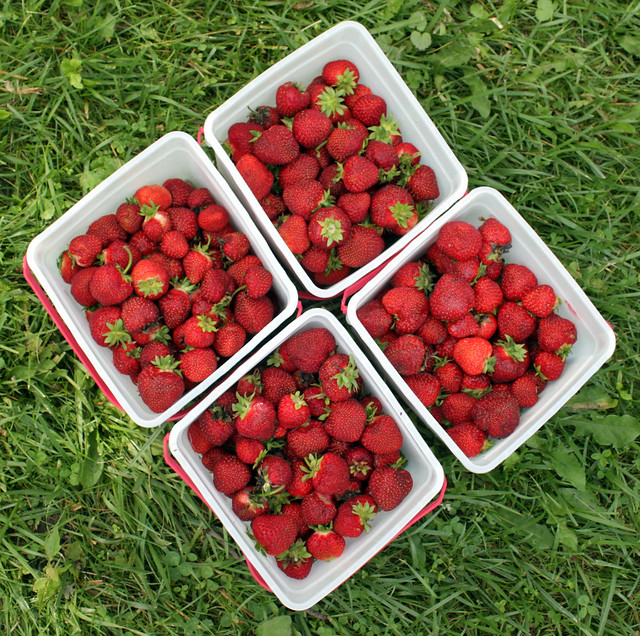
They’re about $8-10 per bucket – just a fraction of what we pay in the grocery store.

four square buckets of strawberries

Here’s what we did with all those strawberries:

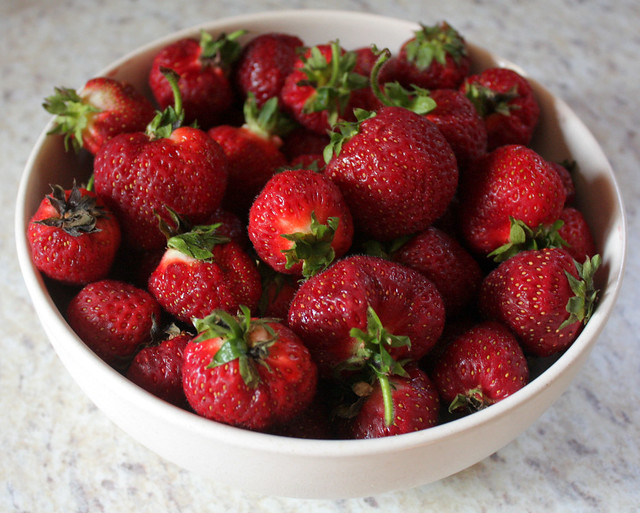
A big bowl to share with my coworkers, and a bowl for my husband’s parents.

bowl of strawberries

A strawberry-brie grilled cheese. It was okay, but now I know that I don’t care for warm strawberries.

strawberry-brie grilled cheese with strawberry spinach salad

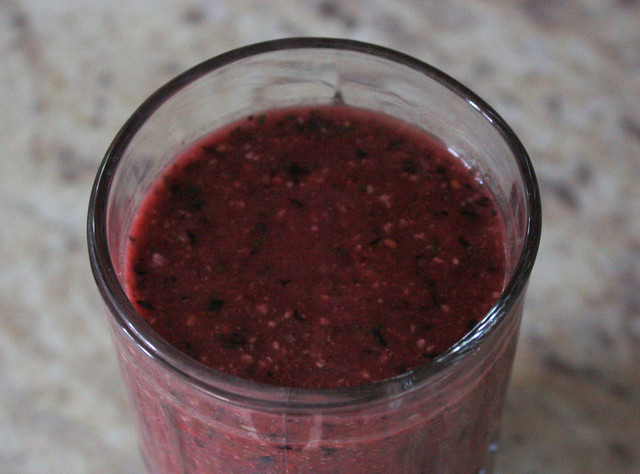
Several smoothies with spinach, flaxseed, chia seeds, oatmeal, and banana. Sometimes with blueberries and/or raspberries.

pink smoothie

A “dish to pass” at a potluck: fruit salad with a yummy honey-lime glaze, a recipe shared by my cousin.

strawberries, green and red grapes, blackberries, pineapple, mandarin oranges

Lots and lots of just plain berries.

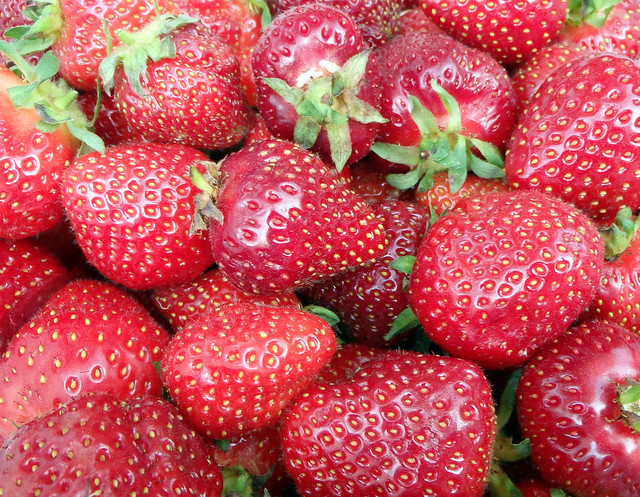
close-up of strawberries

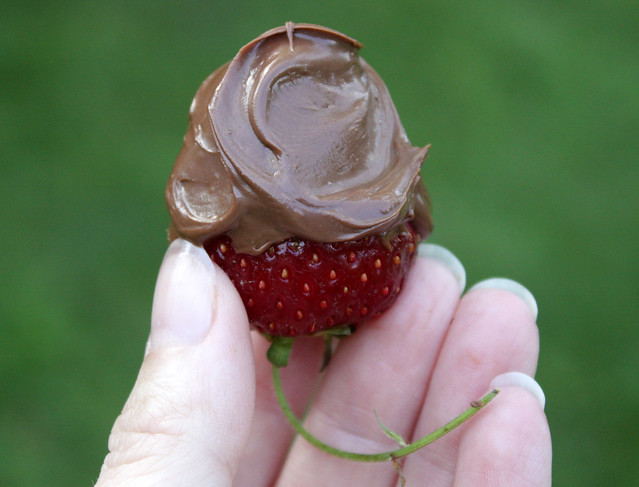
Nutella-covered strawberries. I love strawberries, I love Nutella. Two great tastes that taste great together, right? Wrong. Then again, I’m not that fond of chocolate-covered strawberries, so this should not be a surprise.

one strawberry covered with Nutella

Two big bags full of frozen whole berries. I do this every year and last year I was so conservative that we still have some in the freezer! This year we’ll eat more.

tray of frozen strawberries

And last but not least: of course we made strawberry shortcake.

If you know I’m talking about milkweed plants, then you know who “they” are: monarch butterflies. And I’m here to confirm the statement that “if you plant it, they will come.”

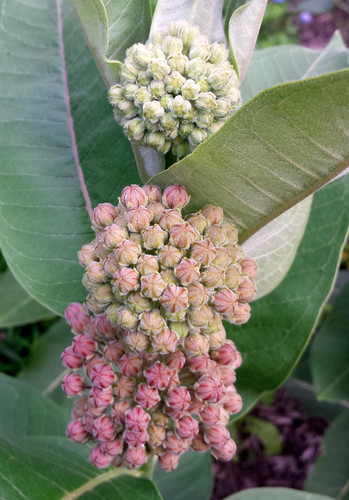
three sets of buds on a common milkweed

Last year we had a few milkweed plants, and this year that turned into at least 35, with more still sprouting even into July. Bugs love it.

And though we’ve seen monarchs in the past, I had never found any caterpillars. Until now.

There was evidence on more than one common milkweed plant – chewed leaves as well as frass…

… but no caterpillars were spotted until I saw a photo from a new Instagram friend that prompted me to look again. That very night I found a medium-sized caterpillar…

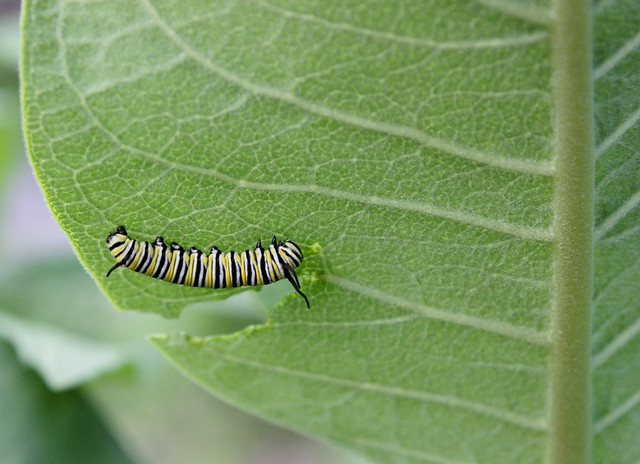
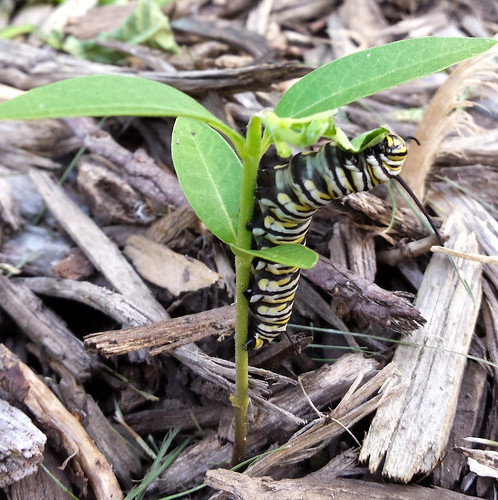
monarch caterpillar on  the bottom of a common milkweed leaf that's standing up

and then I found a newborn:

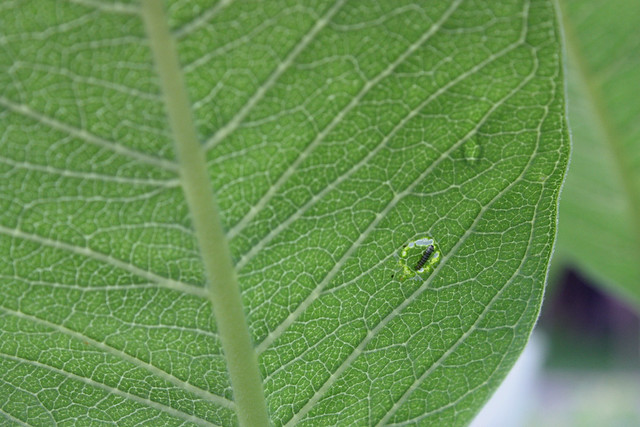
newly emerged monarch caterpillar on common milkweed

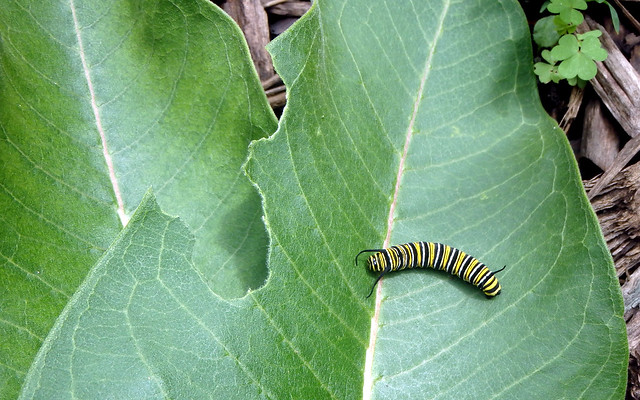
The next day, I didn’t see those two again, but I did find a giant one 20 feet away. Of course, given the small size of this milkweed, everything looks giant in comparison.

monarch caterpillar on a small milkweed

And then I saw a medium-sized caterpillar walking through the garden nowhere near milkweed.

I picked a leaf for it and it stuck around for another day before I didn’t see it again.

monarch caterpillar on a chewed milkweed leaf on the ground

But then I noticed one on the underside of a leaf. I decided to keep my eye on it.

monarch caterpillar on the underside of a black-eyed susan leaf

And sure enough, the next day it was in the “J” formation, signaling that it was about to begin its transformation.

Later that day it was a chrysalis! It was so well camouflaged that I almost certainly wouldn’t have seen it had I not noticed the caterpillar earlier.

monarch chrysalis tucked between two black-eyed susan leaves

I checked it morning and night for days. The “monarch lifecycle” websites say that butterflies emerge after 7 to 10 days of the chrysalis stage. Seven days passed, then ten. I was losing hope until the 12th morning, when I noticed orange and black starting to show through the green.

monarch chrysalis with a barely-visible wing

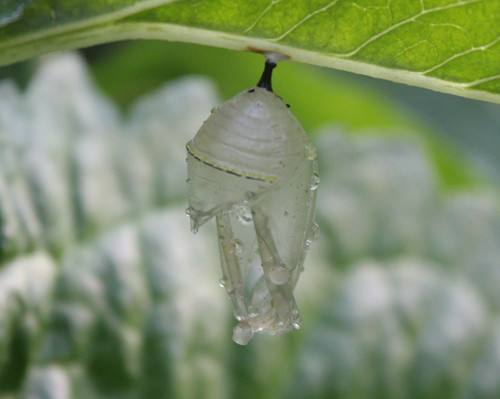
And then we had to go out of town for 4th of July celebrations. When we returned, the chrysalis was empty.

monarch chrysalis after butterfly emerged

I was sad to have missed it, but I’m just glad that it was successful! Later that evening I noticed a monarch flying around our neighbor’s backyard – and I’m choosing to believe this was “our” monarch, making sure I noticed before it flew away.

monarch butterfly on tree trunk