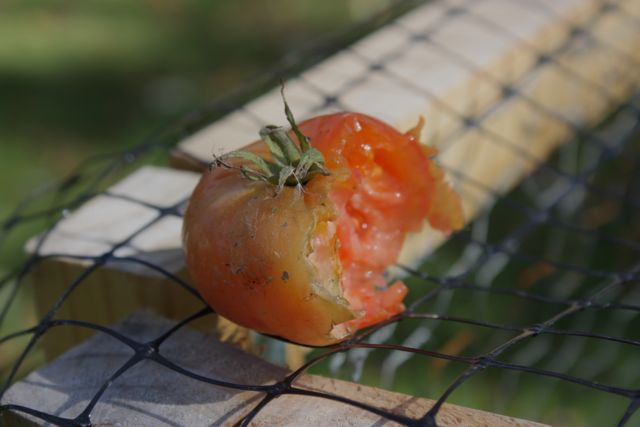
October is the prettiest month of the year, and I’ve got pictures to prove it. Every day the leaves seemed more beautiful than the day before.

Okay, okay, the first photo is from late September, but what’s a few days in an autumn like this?

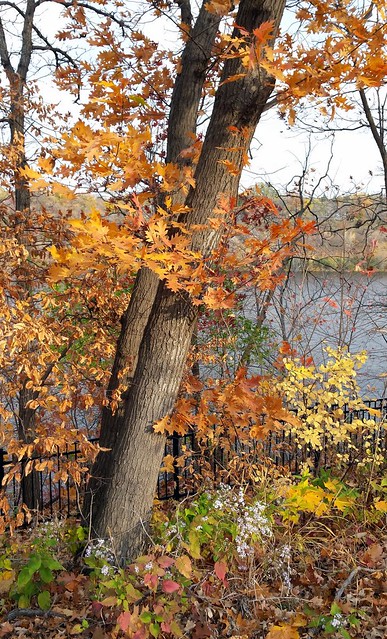
Jay Cooke State Park near Duluth:

maple trees starting to turn behind the St. Louis River

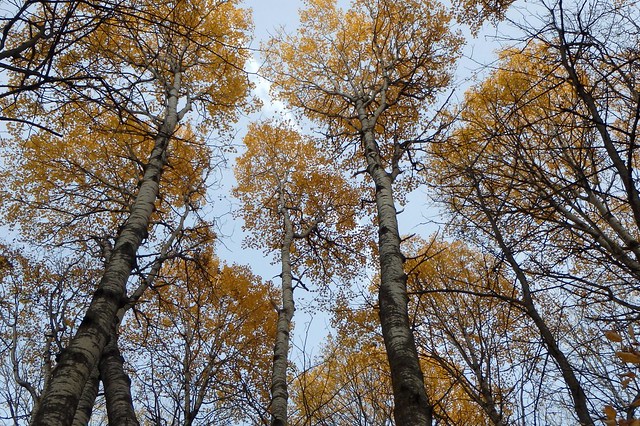
Popple trees:

looking up at the tops of several yellow popples

I couldn’t stop taking photos at West River Parkway in Minneapolis, with its wide variety of colors that are gorgeous even on a cloudy day:
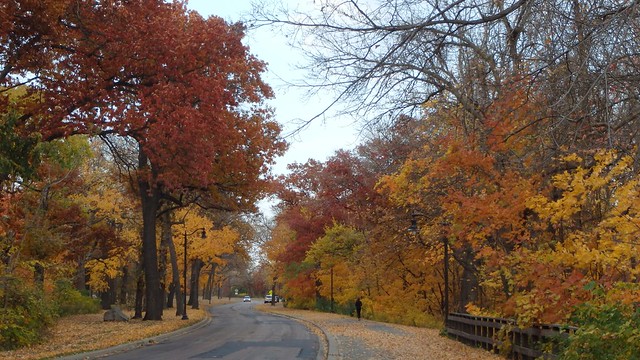
curved road with many colors of leaves on both sides

Still a few stray asters blooming:

an orange oak tree along the river, with one small purple flowering aster

A neighborhood one street off the parkway:

red, orange, brown, yellow, green trees surrounding a street

Moving on to northwest Minnesota, past peak but still plenty of color:

cattails in a swamp, with yellow popples and brown oaks behind

From the last weekend of October, the overlook at the top of Mount Charity at Latsch State Park with a few yellows and lots of dark oak leaves:

looking down from a cliff at trees, Highway 61 and the Mississippi River

And finally, a couple favorites from Octobers past:

red oak leaves up close

Sunny yellows at Lake Maria State Park:
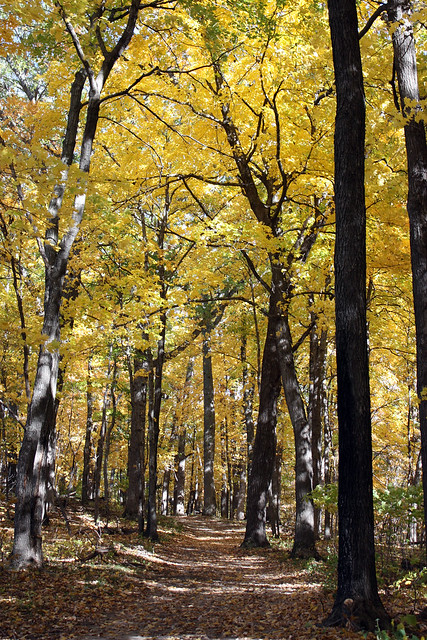
walking path through yellow trees on a sunny afternoon

See more of my autumn photos at 87counties.com.

I remember learning that calendula is the October birth flower when I was a little girl, though I didn’t know then what it looks like.

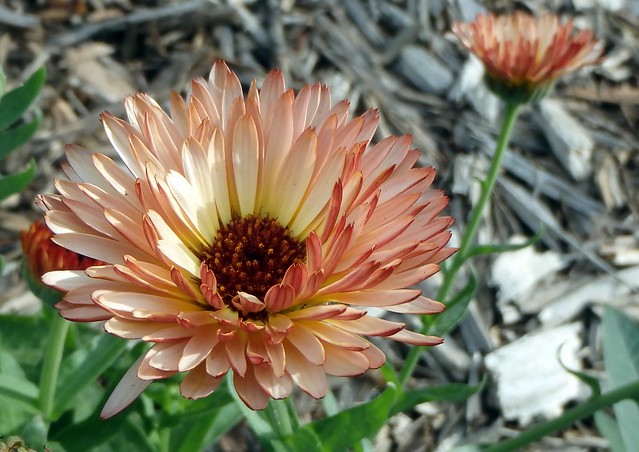
a peach-colored calendula

Now that I have my own garden, I’ve been growing them for two years. The first year we had one peach-colored plant. This year I received a packet with a different variety, and many new yellow and orange ones grew in addition to several peach ones that reseeded.

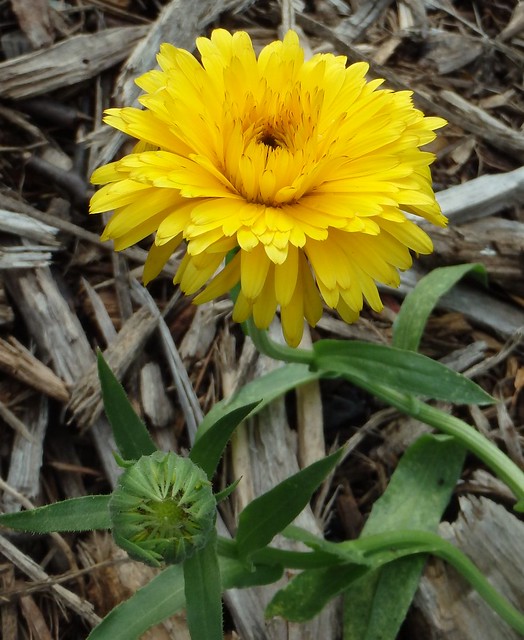
a yellow calendula with a bud below it

Bees and other insects love them.

a bumblebee on an orange flower, a caterpillar crawling out of a yellow bud, and an orange beetle on an orange flower

The internet tells me that calendula was named after the calendar because it blooms the first of each month or with every new moon, though I haven’t noticed a pattern. They seem to bloom every day – and even appear to be picking up speed at the end of October, after several frosts. (Now that I think of it, a new moon just passed, and there were dozens of blooms today… hmm. Will pay better attention next year.)

an open calendula flower with two buds in the background

I hope birds like calendula seeds because last year I collected more than we could ever use, and it still spread like crazy. Maybe we should try an alternative way to appreciate the flowers: by eating them in salads.

The last flower to start blooming this year was one solitary goldenrod. Almost immediately, dozens of little bees found it.

more than a dozen little bees on goldenrod

I saw more types of insects on the goldenrod than I saw on any of our other flowers. Someday I hope to be able to identify bees, but for now I’ll just say there were a lot of bees. A big yellow-and-black beetle hung out for one afternoon, and several mosquitoes even stopped by frequently.

goldenrod with a bee, mosquito, and beetle

This video shows how busy the goldenrod was on a late-summer afternoon:

I spent a lot of time watching the insect activity in the flower garden this year. Some of the plants seemed to be bee magnets, like this catmint that has grown in our yard for years:

bee pollinating catmint

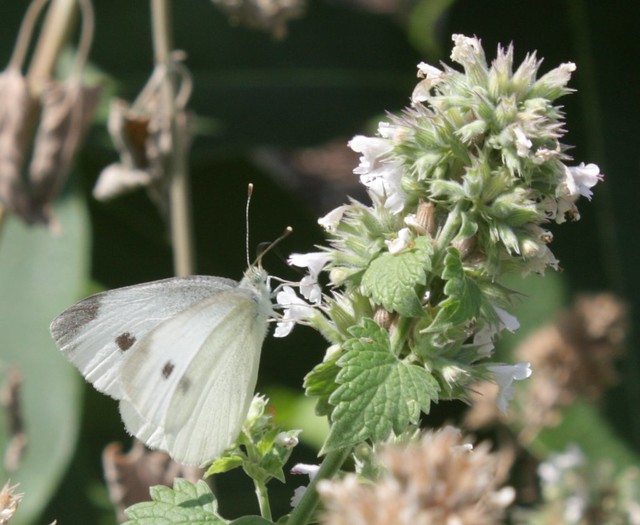
Though bees aren’t the only insects that are attracted to the mint plants. Here’s a cabbage butterfly on catmint:

butterfly on purple giant hyssop

Last year, a new plant sprouted but didn’t flower before winter. This year it got an earlier start and we discovered it was a motherwort. It didn’t take long for the bees to find it. A few bumblebees, in particular, spent lots of time visiting the little pink blossoms:

bumblebee pollinating motherwort

And then there’s the purple giant hyssop. We got this plant last year, but it tipped over in a windstorm and didn’t grow very tall. This year, it was huge, and the bumblebees seemed to go crazy fluttering up and down the flower spikes. There are three bumblebees in this photo, though it wasn’t uncommon to see at least a dozen at a time:

bumblebees on purple giant hyssop

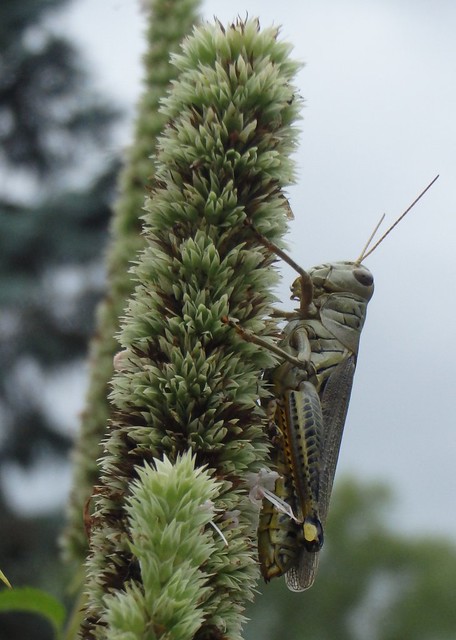
This grasshopper was always on the hyssop, no matter when I looked:

grasshopper on purple giant hyssop

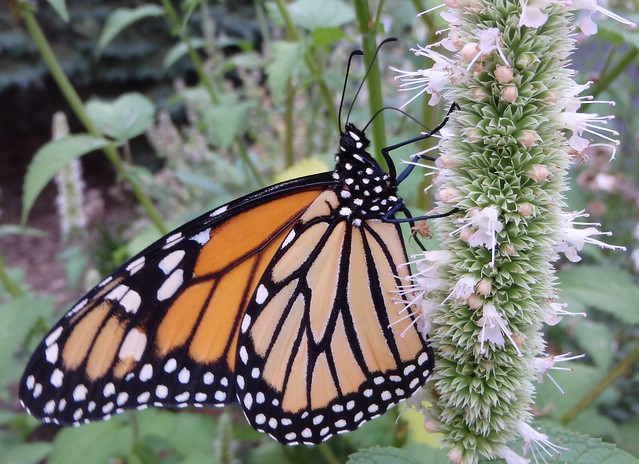
This monarch was so patient as I took dozens of photos:

monarch feeding on purple giant hyssop

…and video. Bumblebees also make an appearance, along with one Japanese beetle:

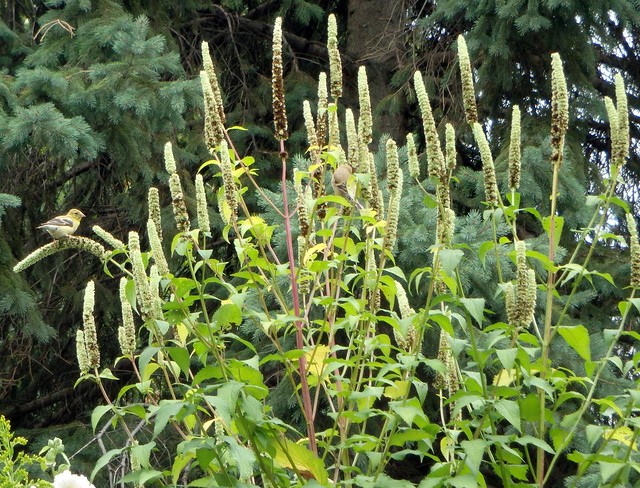
And once the plant was finished flowering, the goldfinches moved in to eat the seeds. There are two in this photo, one hiding in the middle:

goldfinches on purple giant hyssop

Plant sources:

  • Motherwort: Arrived in our yard in 2013 (first flowered and identified in 2014)
  • Mint: Came with the house
  • Purple giant hyssop: Friends School Plant Sale, 2013