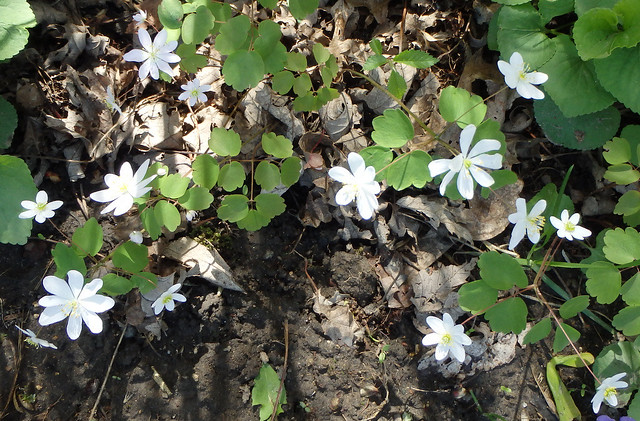
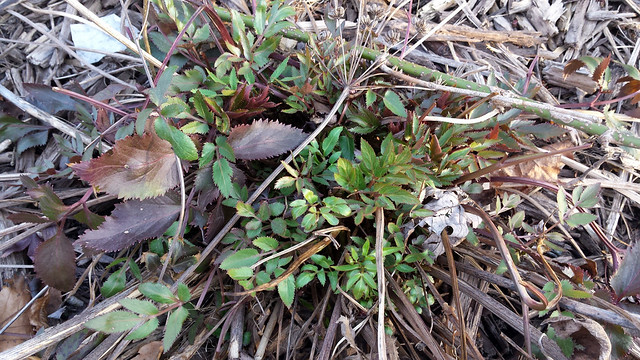
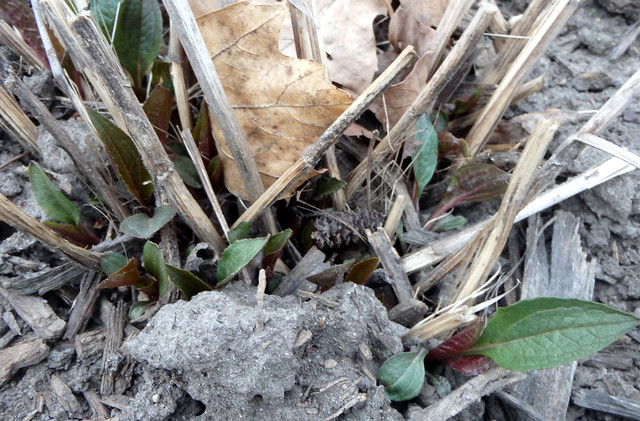
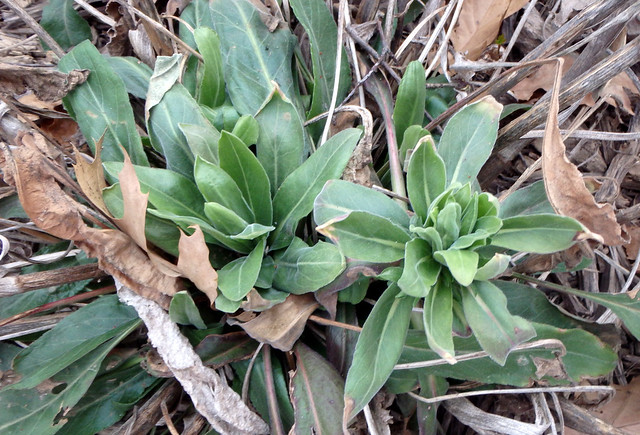
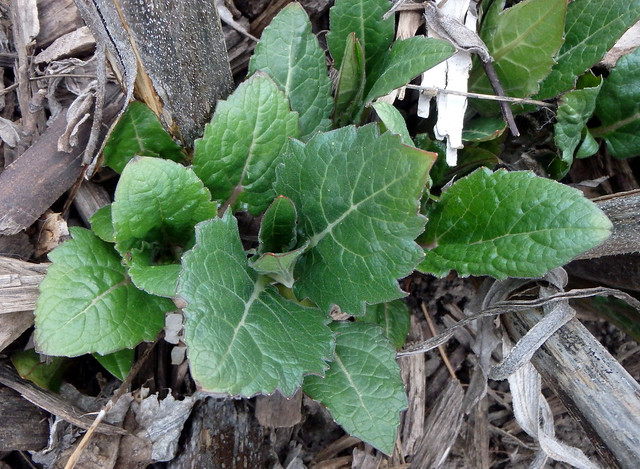
These short-lived flowers, which are the first to bloom each year, are the reason I love spring best. They’re such a fun sight after a long winter.

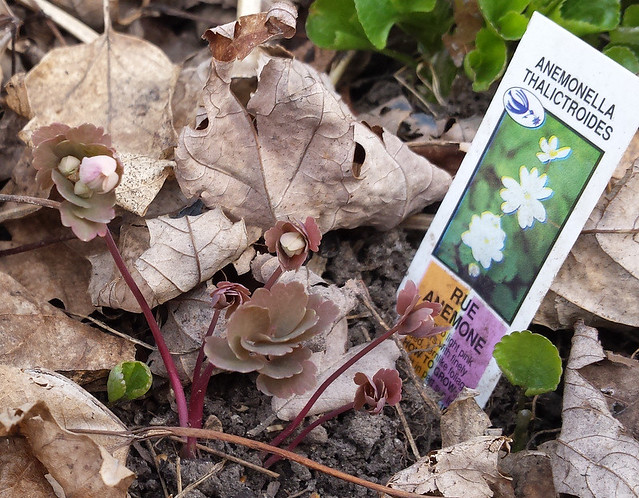
Rue anemone’s purple swirled leaves just after emergence:

five purple stems with leaves whorled at the top, some with flower buds

Two weeks later, the leaves are green and there are more flowers than previous years:

four plants with paw-shaped leaves and white flowers with about eight petals apiece

Only one or two hepatica flowers opened – they’ve never bloomed well in our garden:

one pale pink flower, not fully open

Its leaves always look nice after the flowers are done, though:

10 three-lobed leaves bending out like a fountain from a single source

Tiny, delicate spring beauty:

four pale pink flowers with purple stripes, two with bugs, and many buds

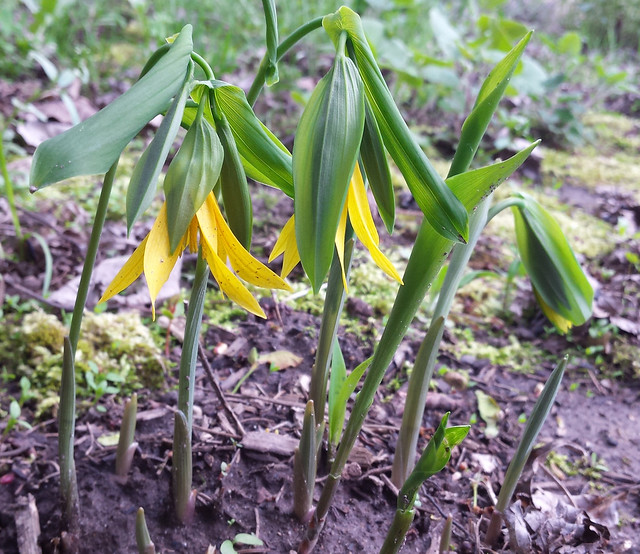
Merry little bellworts:

two open yellow flowers and one yet to bloom

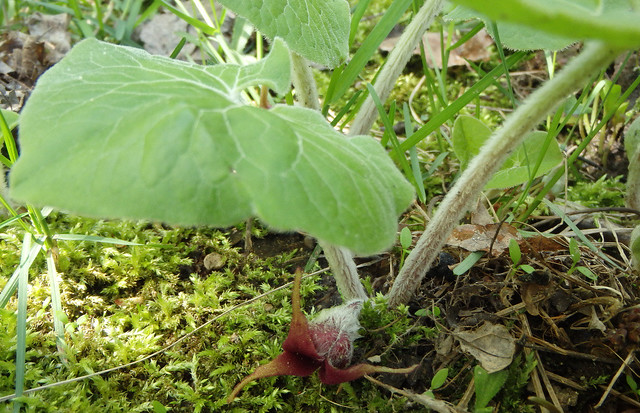
Wild ginger with its strange little flowers hidden under its big leaves:

dark purple flower with three long petals, on the ground in moss, with two large light-green leaves providing a canopy

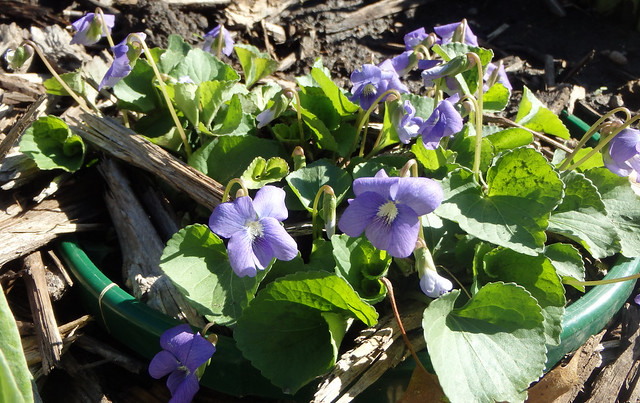
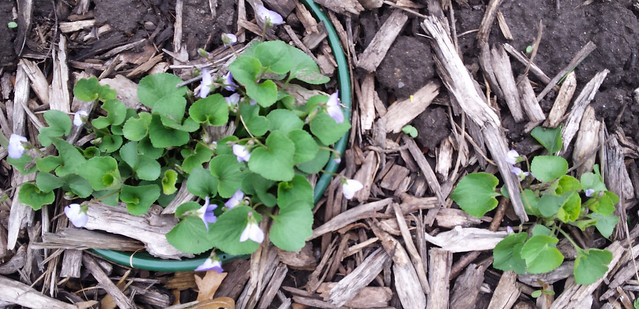
These violets are native, but I know how much they spread, so I attempted to contain them when I moved some to the front yard by planting them in a pot:

a large green pot planted in the ground filled with violet leaves and purple flowers

That apparently didn’t work, since there is a new plant now growing just inches away:

the same pot viewed from above, farther away to show a small plant to the lower right

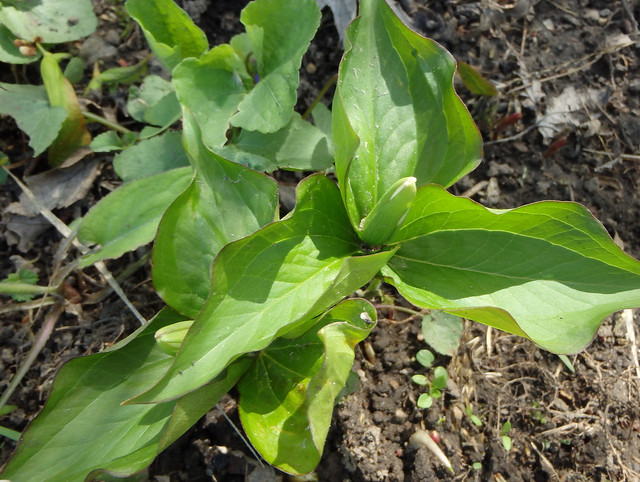
Trillium sessile:

purple petals standing straight up above three spotted leaves

I’m so antsy for these showy trilliums to bloom:

two trilliums with white buds about to open

And soon, there will be jack-in-the-pulpit and wild geranium.

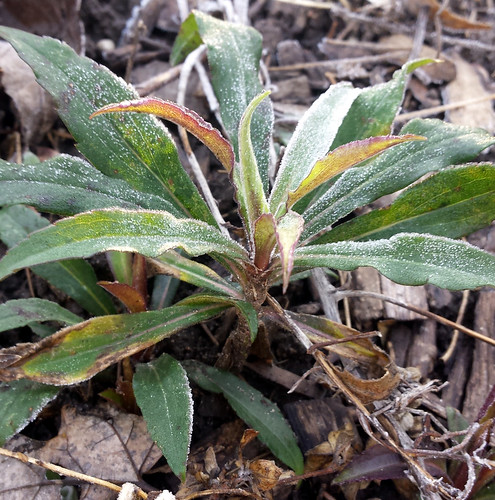
It feels like spring has been here for so long, but really, it’s just that the snow has been gone for so long. Plants started popping out of the ground several weeks ago, but they didn’t do much until the last week because we’ve had several freezes and even a couple of snow flurries as recently as two weeks ago.

goldenrod seedling with frost on many leaves

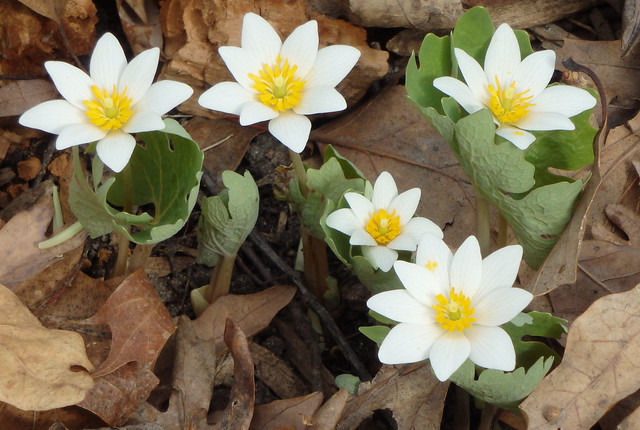
In the meantime, I’ve already been to Eloise Butler Wildflower Garden in Minneapolis three times! I had to get a glimpse of some flowers – like my favorite, bloodroot, which for some reason does not grow in our yard (despite my attempts every year).

four open regular-sized bloodroots and one much smaller

Finally, after some warm temperatures, there are a couple of blossoms in our woodland garden, too. (Much more on those another day.) Can we say that spring is truly here? I really think so – though I’m trying to be realistic and remember that it snowed the first week of May, four years ago.

golden alexanders seedling with lots of small leaves

I’ve been so antsy to get out into the garden, but I’ve been holding off so I don’t trample the ground where bees are hibernating. I’ve been mostly keeping to the edges of the garden and peeping as far as I can see – but I just can’t resist taking a closer look any longer. Bees are out now, anyway.

Purple coneflower:

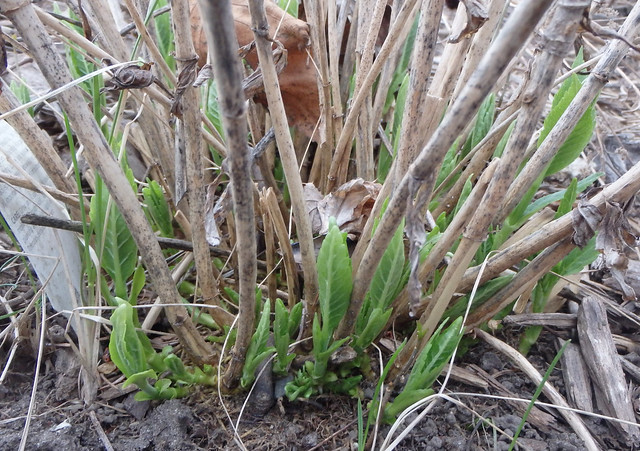
many old stalks with several small leaves

Stiff goldenrod:

two large new plants

Cup plant:

medium-green toothed leaves right at the ground

Spiderwort:

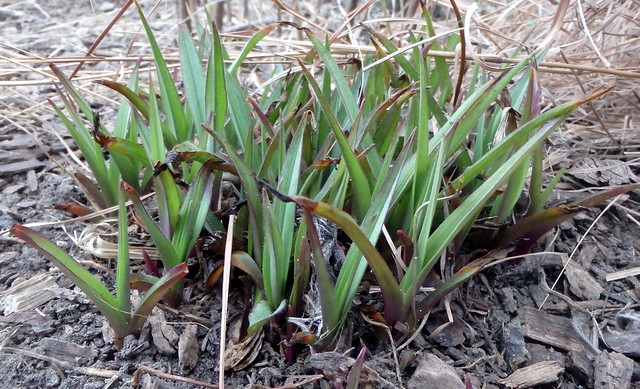
two dozen plants that look like wide grass

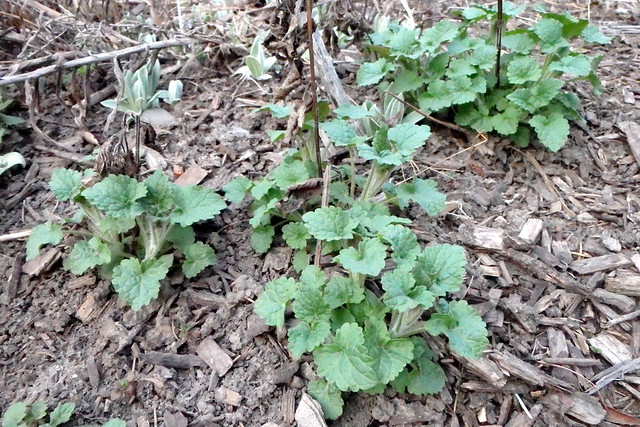
Bee balm:

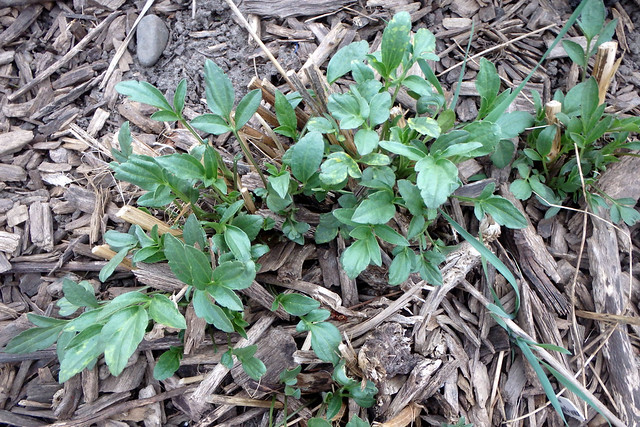
two dozen short plants with leaves unfurling at the tops of the stems

Turtlehead:

many very small, thin leaves standing straight up

I think yellow coneflower, yarrow, and purple giant hyssop will compete this year for the plant that has spread the most:

coneflower - small green leaves, in a wide line instead of a circle

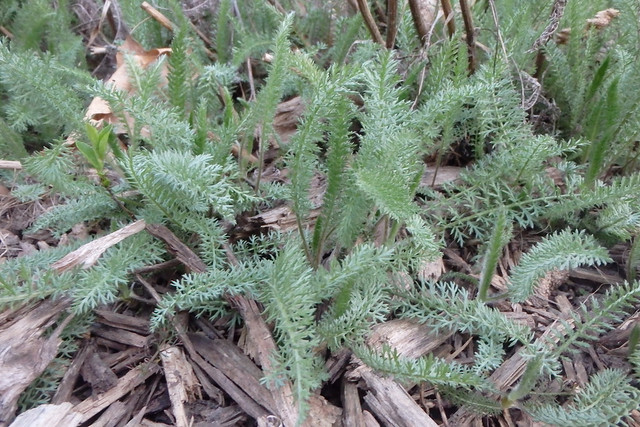
yarrow - many light-green leaves that look like little ferns

hyssop - four small clumps of the same type of plant

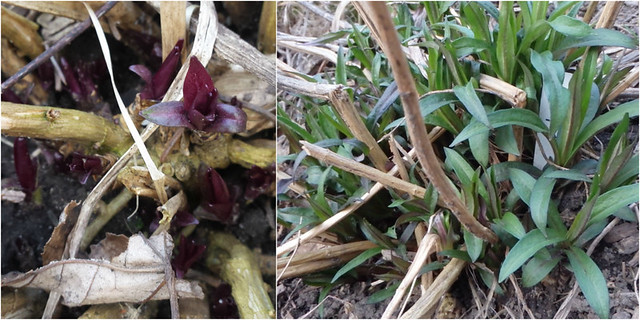
Phlox – which came out of the ground very purple, a phenomenon that an Instagram friend says is due to a pigment that protects plants from UV rays. It has already begun to turn green:

very small deep purple seedlings, and the same plant two weeks later, much larger and green

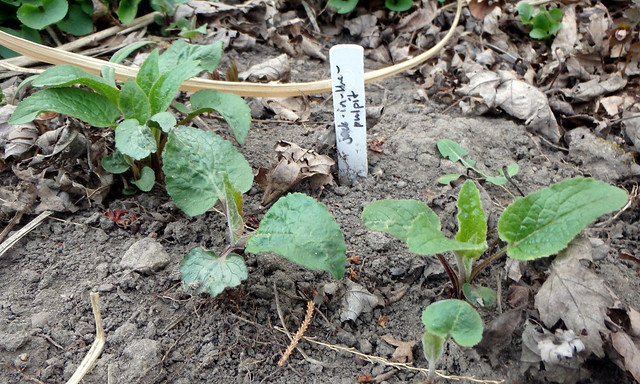
Several unknowns, including this one in the jack-in-the-pulpit spot that I fear is invasive creeping bellflower:

three short green plants with long wide toothed leaves

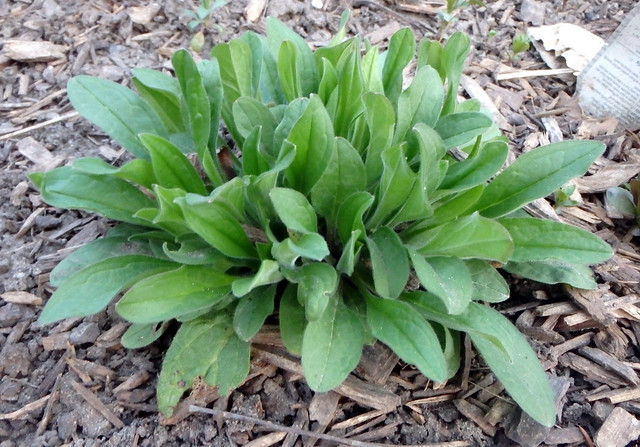
Is this the year our cardinal flower finally succeeds?

tightly packed green leaves five inches wide

We seem to have our first failure of the year, pasqueflower, which I have not spotted where it should be. But soon, we’ll have more flowers than we can keep track of. Spring is the most wonderful time of the year. (No need to remind me of that statement in six months, when I will claim – again – that autumn is the most beautiful time of the year.)

Is it time to remove the dead flower stalks and debris from last year, like on this sedum? Or is it still too early for hibernating insects that may be sleeping inside?

sedum leaves that look like flowers, with old stalks rising between them

When we got married five years ago and I moved into his house, we started converting the lawn to flowers. It started very small – just a short hillside, which was hard to mow anyway. That was so successful that we’ve been chipping away at more and more of the grass every year.

We started buying flowers with gift certificates we received for our wedding: mostly perennials, some of them native plants. Now the only thing I will consider adding to the permanent garden is natives (though we do have annuals in pots each summer, too).

As the flowers have taken hold and expanded, more and more insects and other critters have been taking up residence. Who knew that swapping bluegrass for native plants would result in such a large insect community? (She wrote with dripping sarcasm.)

I recently added a list of my favorite flower posts to the sidebar. All five involve bugs.

This is the start of a multi-post series on critters, published in 2016 using photos from my 2015 garden. First, some bugs I haven’t yet identified (on plants I have identified).

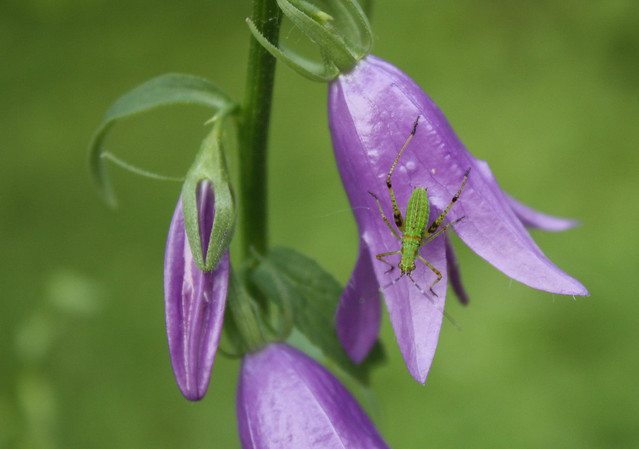
Invasive creeping bellflower:

long green bug with legs like a grasshopper

Native black-eyed susan:

short black-and-white bug

Common milkweed:

skinny bug or arachnid - not sure how many legs

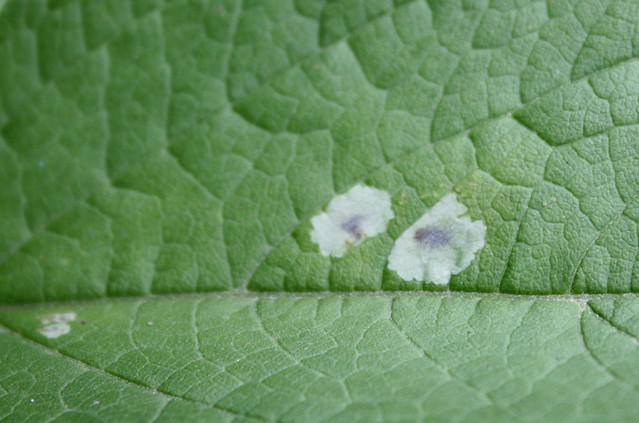
Joe-pye weed:

leaf damage - white spots with dark forms like tadpoles underneath

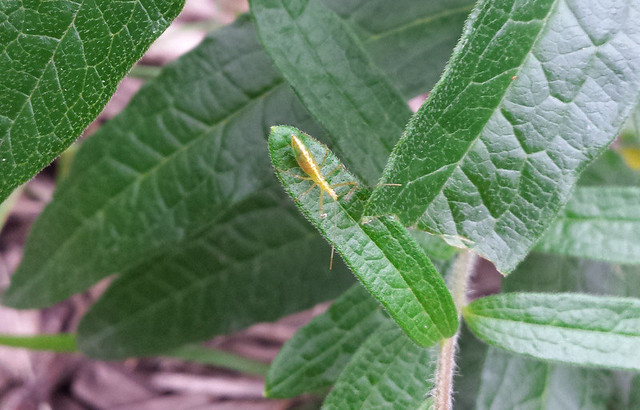
Butterfly weed:

long, skinny yellow bug

Common milkweed:

possibly a fly with very long antennae

Bee balm:

dark brown bug with a reddish spot and

Common milkweed:

light green bug with skinny grasshopper-like legs and very long antennae

More critters

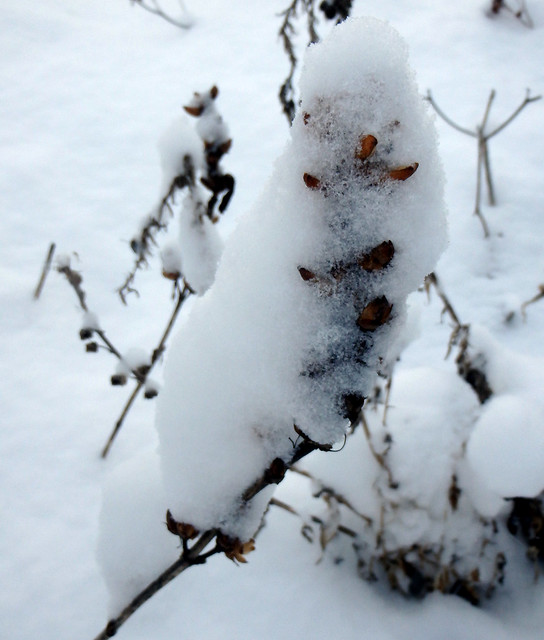
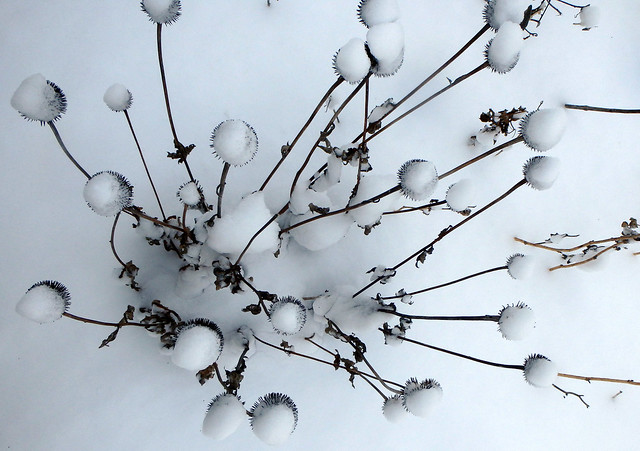
We’ve had cold weather and some snow this winter, but not much. Last week we got more than eight inches at once. I caught these flowers before the wind could blow off the snow.

joe-pye weed:

joe-pye weed covered in snow

turtlehead:

turtlehead covered in snow

white coneflowers from the top:

white coneflowers covered in snow

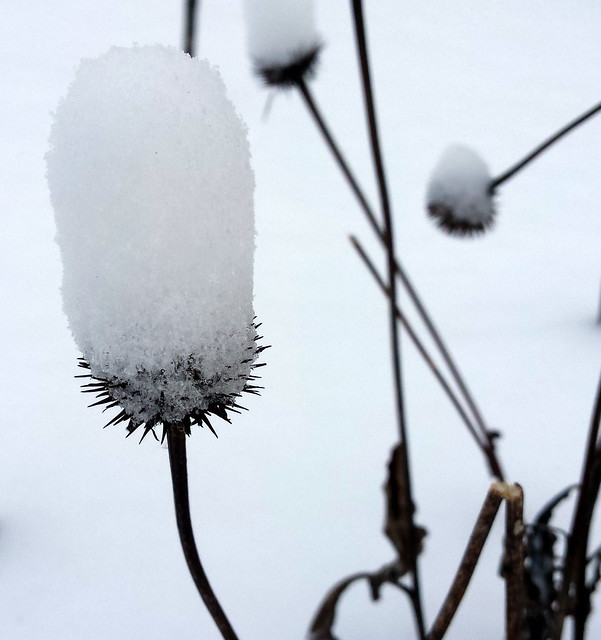
the coneflower’s tall “hats” are funny:

white coneflower covered in snow

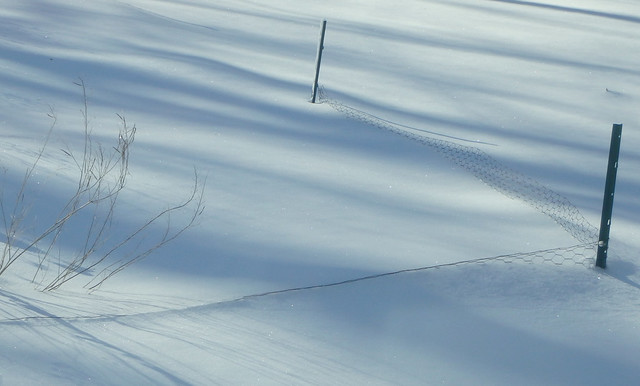
drifts so high in the vegetable garden that the rabbit fence is almost buried:

garden fence covered in snow

wind gusts blowing snow off pine branches:

You’d think with all the time I spent observing and cleaning up after caterpillars, I wouldn’t have had time for the outside garden, but I did. In fact, I’m having a hard time coming with my favorite success stories because there are so many to choose from. These more than make up for the few garden disappointments.

Milkweed‘s success goes without saying since I’ve so thoroughly documented our monarchs, though this photo is a reminder that butterflies aren’t its only visitors. We’ll keep the common milkweed (though we may thin out the number of plants) and butterflyweed, and this year we’ll try adding swamp milkweed and possibly others to extend the monarch season.

closeup of a honeybee on common milkweed

Iris was on the bigger and better list in 2014. That photo comparing 2013 to 2014 looks so quaint now because these flowers are multiplying exponentially. We divided the biggest clump and will need to be even more proactive at the end of 2016.
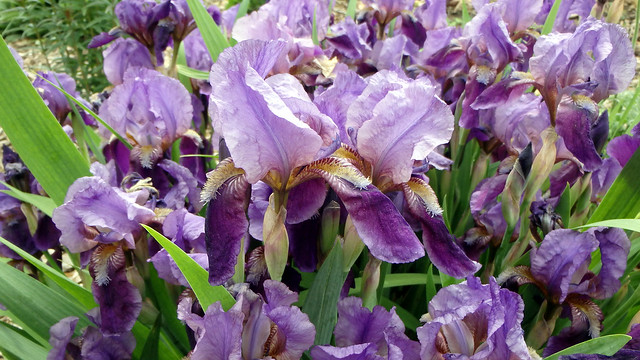
a clump of at least two dozen tightly-packed irises

Trilliums: This is the first time we’ve successfully grown trilliums – one of my all-time favorite wildflowers back to fourth grade science class – after a couple attempts! First up were trillium sessile, which we added in 2014 after they bloomed.
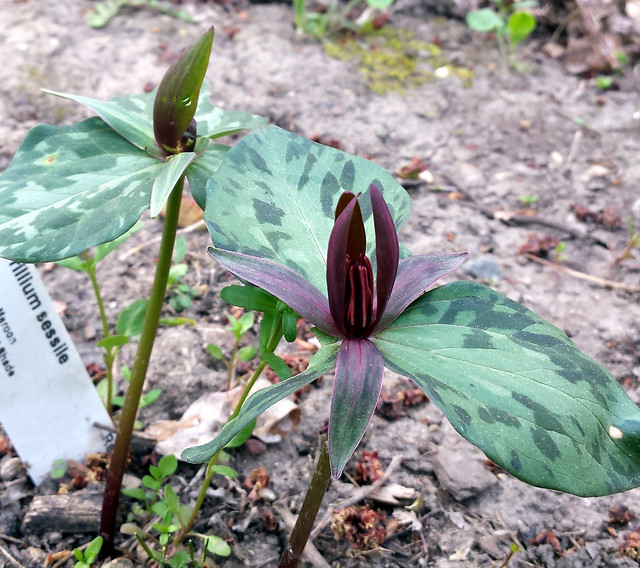
two purple trilliums, one missing a leaf and one missing the blossom

Then came many large-flowered trilliums that were transplanted from my parents’ yard.

three white blossoms and two buds

Wild geraniums are another childhood favorite transplanted from my parents’ yard, growing for the first time in ours. They were also used as a bed for some cute native bees.
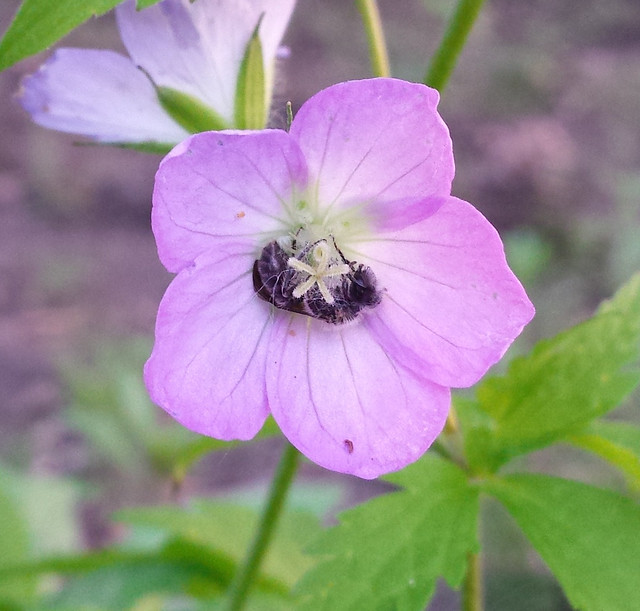
wild geranium with a bee sleeping upside-down

I didn’t see this jack-in-the-pulpit until it popped out of a patch of violets – a fun surprise. It’s the first one to bloom after a couple years of planting seeds. There were also lots of non-blooming jacks, so I expect more next year.
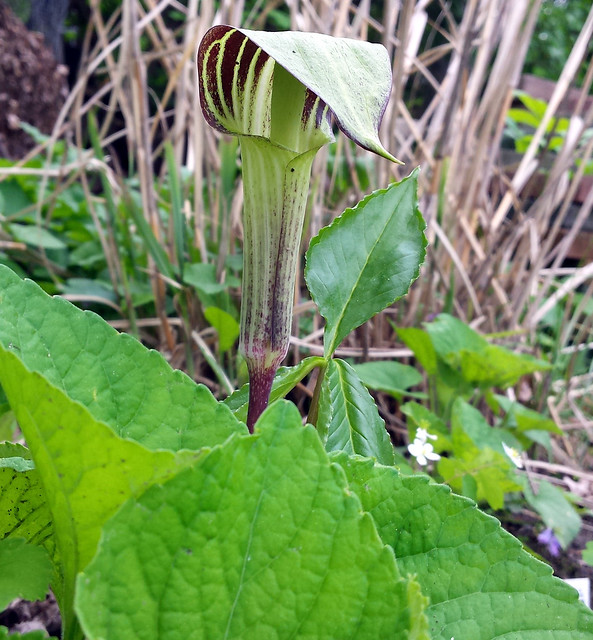
jack-in-the-pulpit above many violet leaves

Cinquefoil was blooming by April 27, though the tag says it should happen in mid- to late summer. This is one plant; a second, planted right next to it at the same time, is hidden somewhere under these leaves. Not sure why this one did so much better than its sibling.
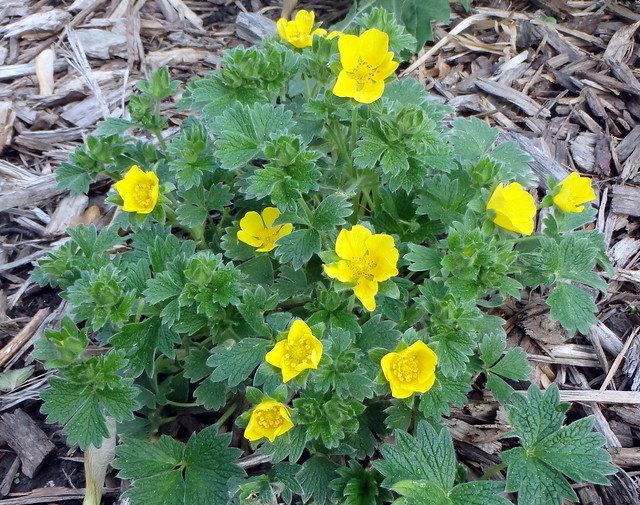
large clump of green leaves with many small yellow flowers

Snowdrop anemone was on the bigger and better list last year, and this year it got even bigger. It’s threatening to take over a large chunk of the garden, so during autumn cleanup we tried moving it to a new spot under a pine tree. I am afraid that this might be one we need to remove completely, if it keeps up its aggressive nature.

closeup from above of more than 20 large white flowers

Lamb’s ear was on the success list last year so I hesitate to include it again, but in 2015 it flowered for the first time.
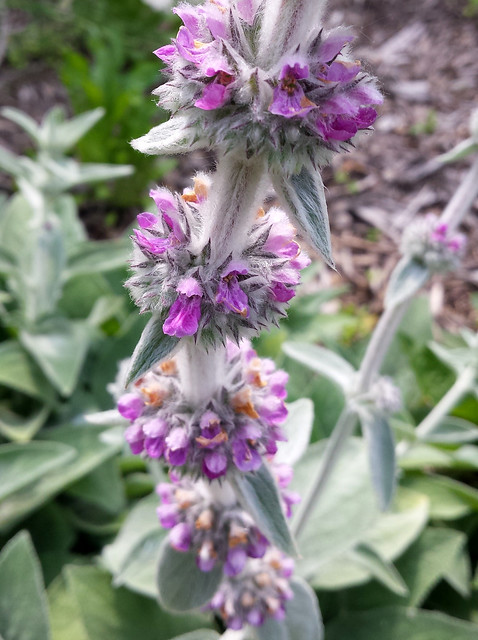
five clusters of small purple flowers on a tall white stalk

Stiff goldenrod: Who buys goldenrod, when it’s a “weed” that grows everywhere? Me, that’s who. We already had a volunteer Canada goldenrod, and I bought a stiff goldenrod to diversify. Boy, did bees like this newcomer. Maybe it’s because by the time it bloomed, most of the other flowers (including the Canada version) were done, but I couldn’t keep track of all of the honeybees, bumblebees, tiny native bees, wasps, beetles, and flies that converged on this one. They did not sit still for me, so this is the best photo I could get of the variety of insects.
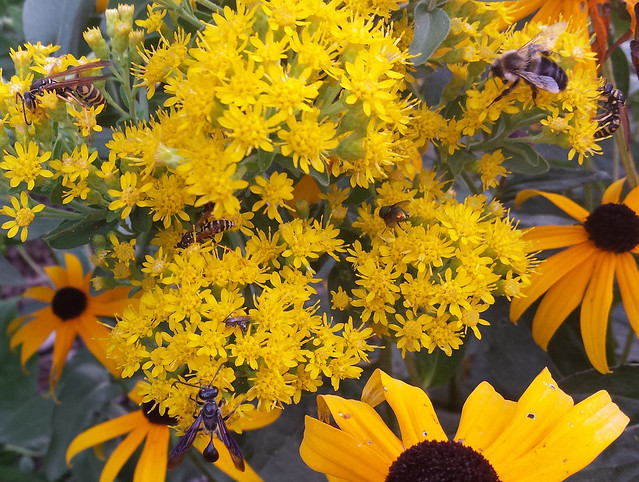
yellowjackets, bumblebee, fly, small native bee, wasp on small yellow flowers

Culver’s root really shined this year. It was fun to watch insects climb up its spikes.
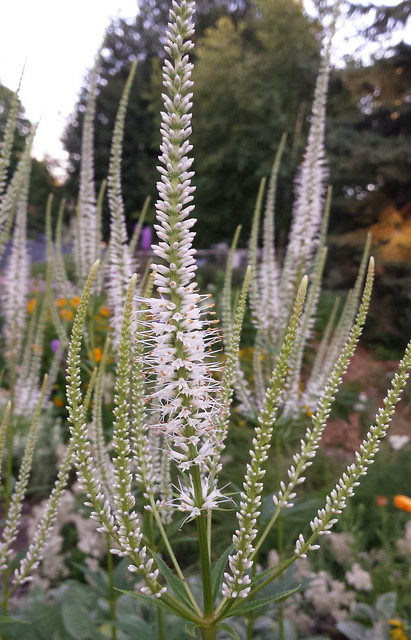
six clusters of tall white spikes

Finally, one blue vervain grew after multiple attempts at planting seeds.

Gray-headed coneflower spread like crazy in 2015. It’s a native so I’m trying to be open-minded, but we’ll have to keep a close eye on this one in 2016 so it doesn’t crowd out its neighbors more than it already has.

Plains coreopsis is another to watch closely. It was from a “wildflower” mix from a couple years ago, and it’s been self-seeding ever since.

In 2015 we had rudbeckia in many forms: native black-eyed susan, non-native black-eyed susan, orange coneflower (which looks exactly like the non-native black-eyed susan), and this pretty multi-colored version. I am confused about where it came from – perhaps from 2014’s wildflower seed packet (though this was the first year it appeared).
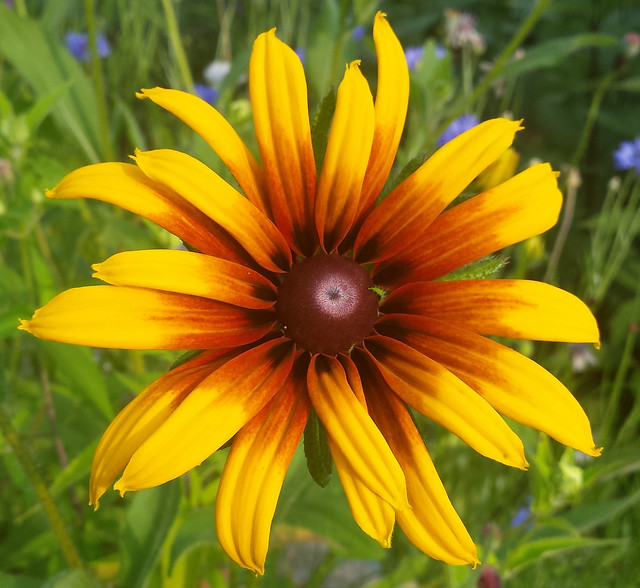
ombre petals with yellow at the edges and dark orange at the center

Cup plant was quite the show-stopper. We bought it in 2014 so it didn’t have a chance to do much until 2015. It grew taller than my reach – taller even than the 4-to-8 feet advertised on its plant marker. Apparently I was intrigued by the “cup” aspect because I took several photos like this:
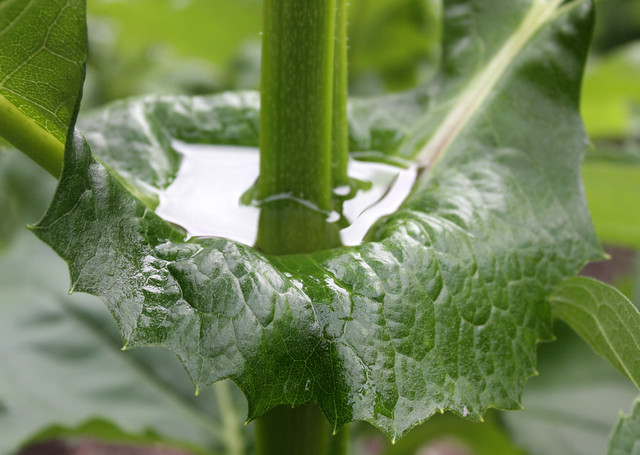
cup plant full of rain water

It attracted bees, butterflies, and even birds – I often saw goldfinches and one day spotted a downy woodpecker!
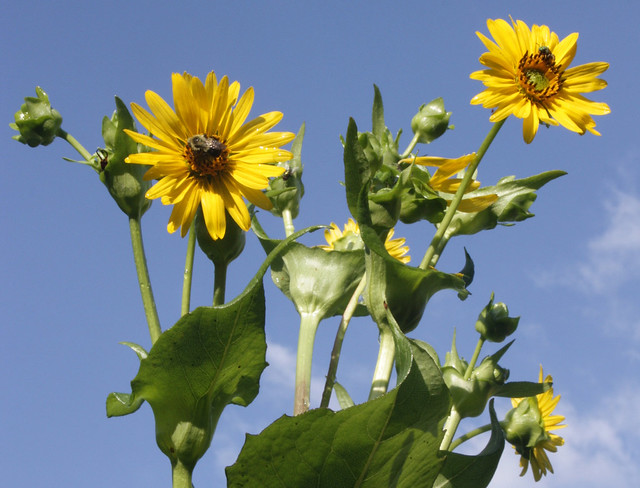
two yellow flowers, each with a bee